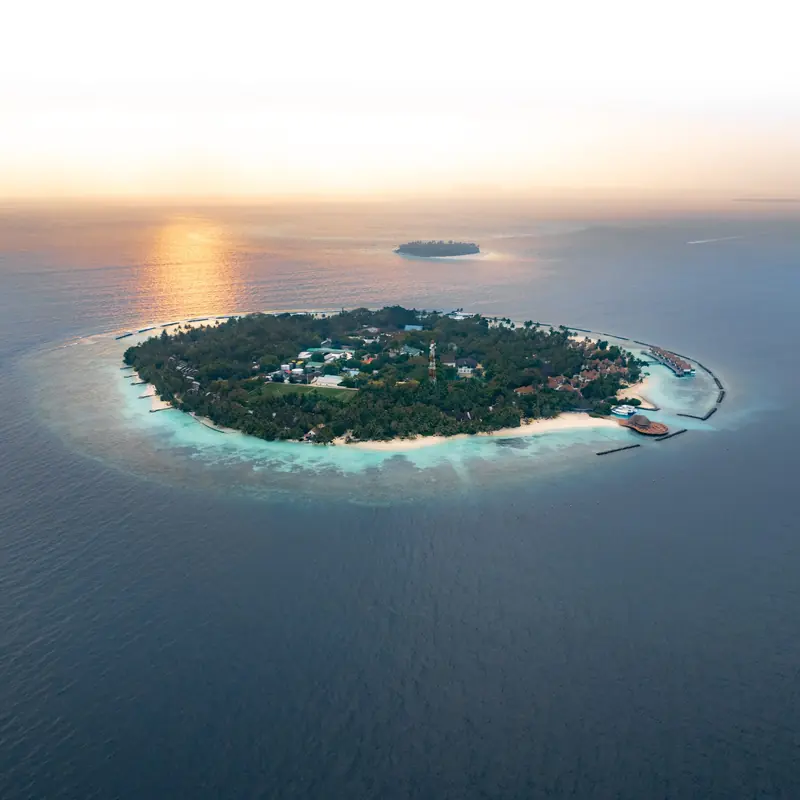
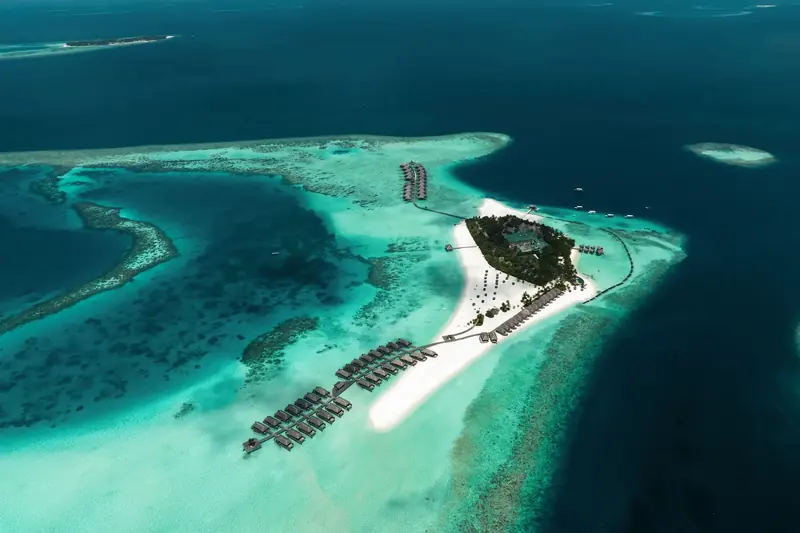
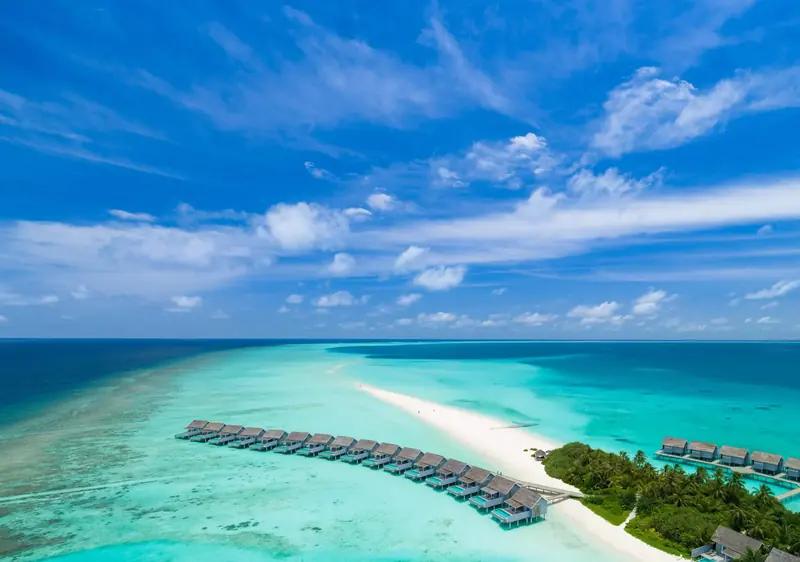
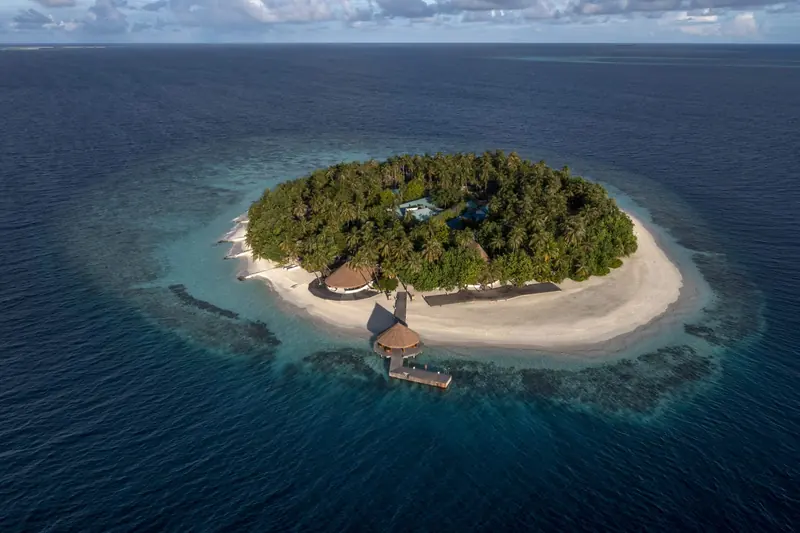
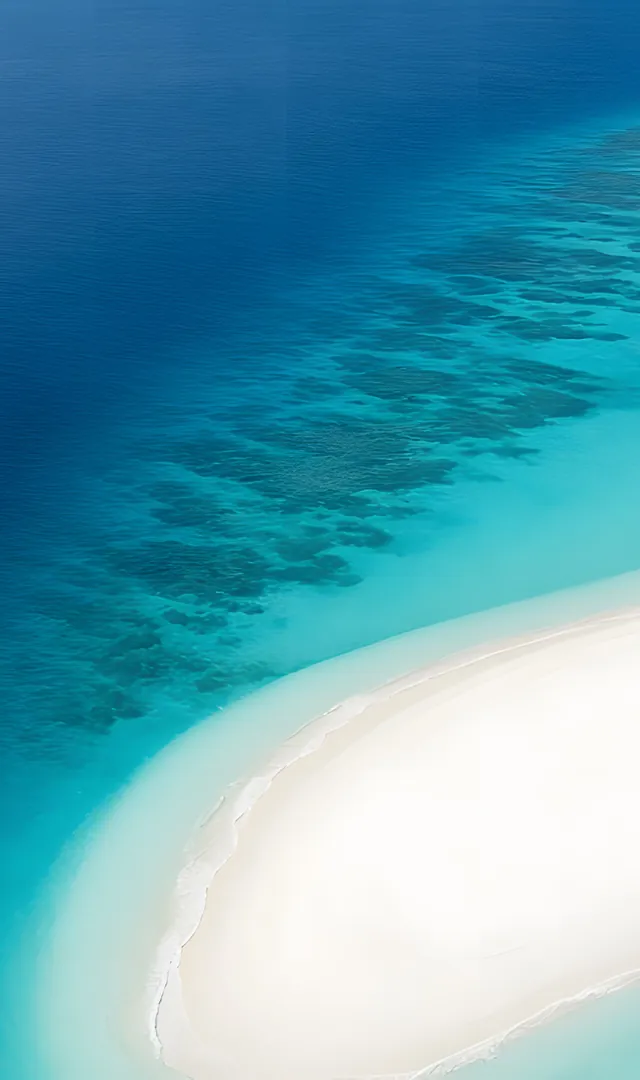
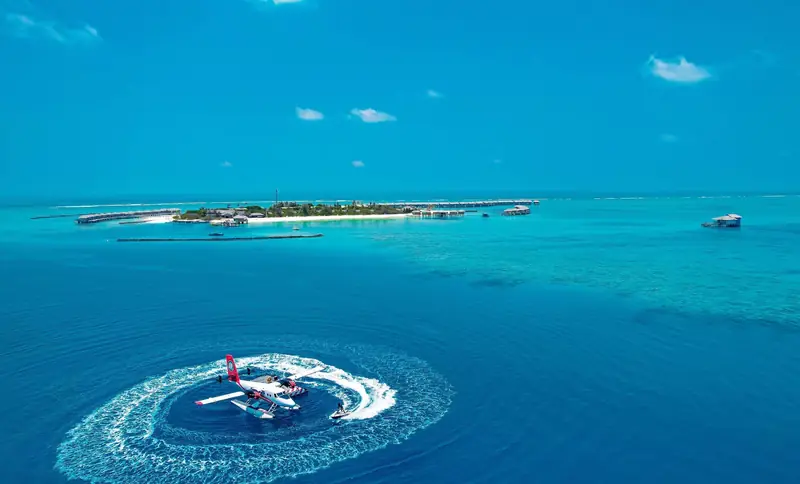
The Maldives is made of coral atolls rising from the deep Indian Ocean, so the reefs start right under the surface. Warm water, channels full of fish, manta rays, reef sharks and turtles make it one of the world's favourite places to dive, whether you're trying it for the first time or already hold a certification.
When to dive
You can dive all year. The water stays warm, usually around 27 to 30°C, and what changes is the current, the visibility and where the big animals gather.
| Season | What to expect |
|---|---|
| Northeast monsoon (about December to April) | Calmer seas and often the clearest water. Channels on the eastern side of the atolls tend to be best, and mantas often feed on the western side. |
| Southwest monsoon (about May to November) | More plankton, so visibility can drop, but this is manta season in places such as Hanifaru Bay. Mantas often move to the eastern side of the atolls. |
Whale sharks can be seen all year in the South Ari Marine Protected Area, though sightings are never guaranteed. For weather month by month, see our guide to the best time to visit.
What you might see
- On the reef: turtles, moray eels, octopus, reef fish of every colour and schools of snapper and fusiliers.
- In the channels: grey reef and whitetip reef sharks, eagle rays, barracuda and big schools of jacks, often on drift dives with the current.
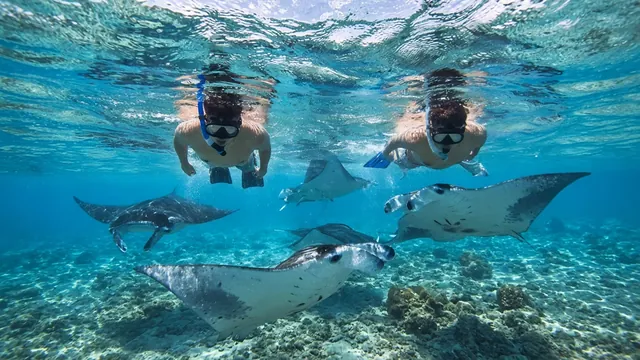
- Seasonal visitors: manta rays at cleaning stations and feeding sites, and whale sharks in South Ari.
- Night dives: hunting reef sharks, crabs and sleeping fish, where offered.
What resort dive centres usually offer
Most resorts have their own dive centre or work with one. What's on offer varies by resort, but you can usually expect:
- House reef dives and snorkelling. At resorts with a good house reef you can walk in from the beach or jetty.
- Boat dives. Guided trips to nearby reefs, channels and pinnacles, often once or twice a day.
- Courses. From a first try-dive to full certification and advanced specialties.
- Equipment hire. Many divers bring their own mask and dive computer and hire the rest.
- Snorkel trips. For non-divers in the family, often to the same sites.
Some resorts, such as Bandos Maldives and Constance Moofushi Resort, are known for diving, with a house reef close to the shore. Others are better known for spa, dining or families. Tell us how much diving matters to you and we'll match the resort to it.
Learning to dive
- Try diving. A one-day introductory experience, such as PADI Discover Scuba Diving, lets you dive with an instructor without getting certified. The usual minimum age is 10.
- Open Water Diver. The first full certification usually takes three to four days. Children from 10 can earn a junior certification.
- Start at home. You can do the theory online before you travel, so more of your holiday is spent in the water. Some agencies also let you finish the course at a resort.
- Younger children. Some dive centres run pool sessions for children from about 8.
Bring your certification card and logbook. Dive centres check your certification and may ask for a check dive if you haven't dived for a while.
Safety first
- Fly 24 hours later. Plan at least 24 hours between your last dive and your flight home. Seaplanes and domestic flights count too, so schedule your final dives with your departure in mind. Our transfers guide explains how transfers fit around your flights.
- Depth and decompression limits. Recreational diving in the Maldives is limited to 30 metres, and only no-decompression diving is allowed. Entry-level divers usually stay shallower.
- Use a dive computer and a surface marker. Dive computers are strongly recommended and many dive centres require them. A surface marker buoy is essential on drift dives.
- Medical fitness and insurance. Complete the medical questionnaire honestly, and make sure your travel insurance covers diving. Hyperbaric chambers are available in the Maldives, but help can be some distance away.
- Respect the reef. Don't touch coral or marine life, and keep your buoyancy under control.
Frequently asked questions
Do I need to be certified to dive in the Maldives?
No. You can try diving with an instructor on an introductory dive. To dive without an instructor's direct supervision, you need a recognised certification.
What is the best month for diving in the Maldives?
Many divers prefer January to April for calm seas and clear water. From about May to November, visibility can be lower, but it's the main manta season in places such as Hanifaru Bay.
How long should I wait to fly after diving?
Plan at least 24 hours between your last dive and your flight, including seaplane and domestic flights.
What is the maximum diving depth in the Maldives?
30 metres for recreational diving, and only no-decompression diving is allowed.
Can non-divers enjoy the reefs too?
Yes. Many resorts have house reefs you can snorkel straight from the beach, and snorkel trips often visit the same sites as the dive boats.