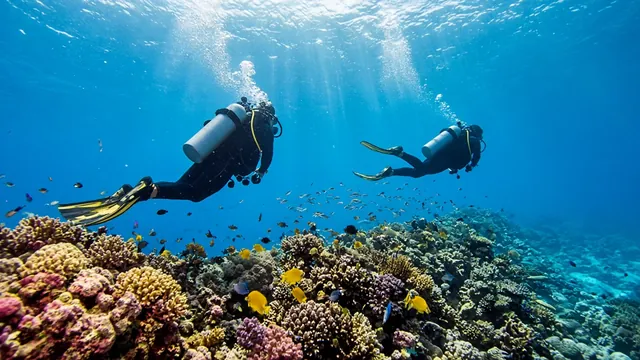
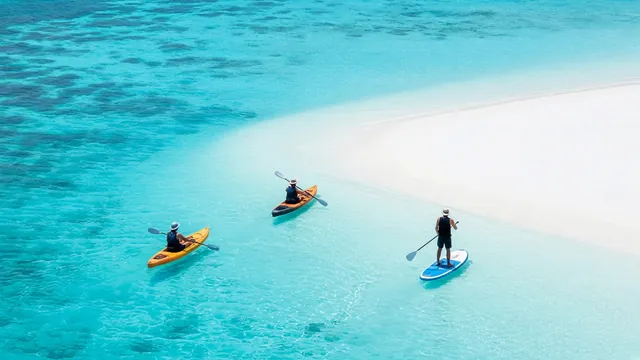
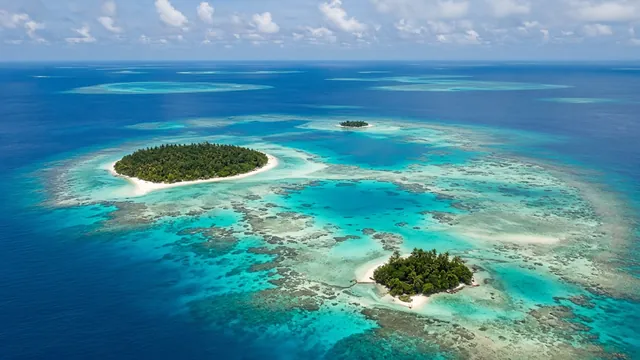
The Maldives is one of the most relaxed places in the world to spend a holiday. From the moment you land, resort teams look after you, and most guests never need to think about safety at all. The one thing that deserves real respect is the ocean. The water is warm, clear and inviting, but currents and tides can change quickly. A few simple habits, the same ones Maldivians and resort staff follow every day, let you enjoy the lagoon and reef without worry. This guide brings them together in one place.
Know your resort's water
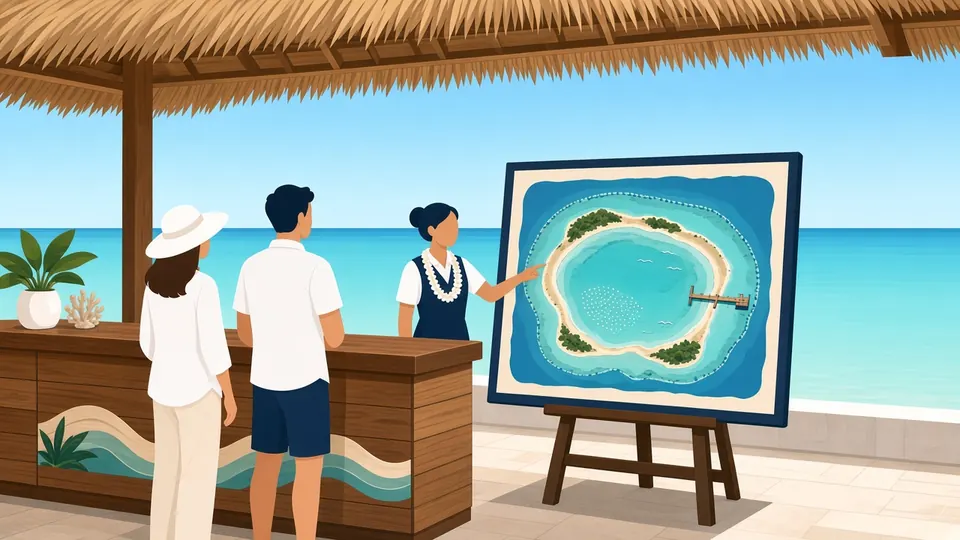
Every island is different. Some have wide, shallow lagoons, and on others the reef drops away close to the beach. Most resorts do not have a lifeguard watching the beach, so it helps to know your surroundings before you go in.
Resorts share this information openly. You will usually find a resort map and safety notes at reception or in your room. They show the safe swimming areas, the house reef entry and exit points, and any places to avoid, such as boat jetties or areas with strong currents. On arrival, take a few minutes to look at them before any swimming, snorkelling or other activity. If anything is unclear, ask. The team will happily point out the calmest spots and the best times of day.
At the pool, look for the signboard that shows whether a lifeguard is on duty or says "No lifeguard". If there is no lifeguard, swim with someone rather than alone, and always keep an eye on children.
Check your resort's own rules
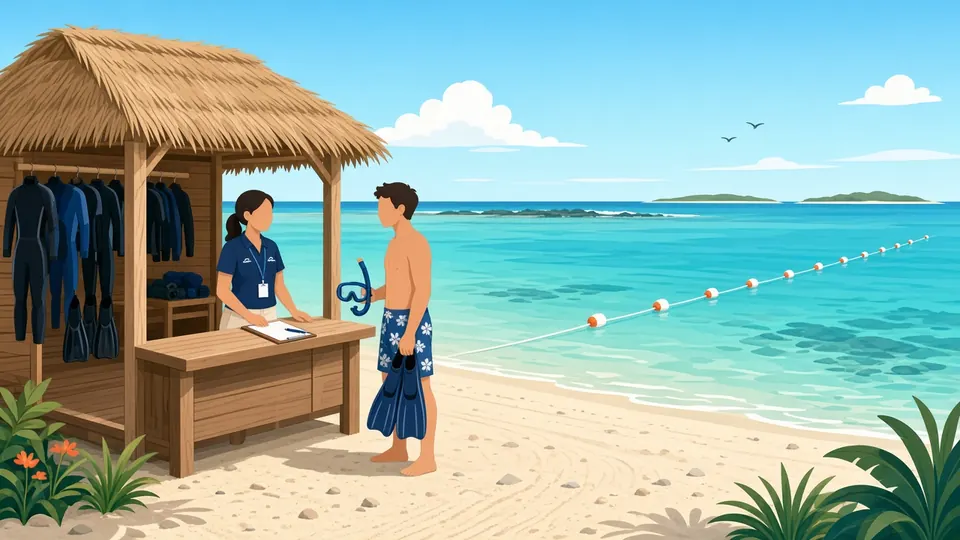
Safety rules and procedures differ from resort to resort, so don't assume that what applied on your last holiday applies here. Pay special attention to the snorkelling precautions before your first swim on the house reef. Some resorts mark snorkel trails with buoys, some close certain areas at particular tides, and many offer a free guided introduction to the reef.
Make it a habit to tell reception or the dive centre when you are heading out to swim or snorkel, and let them know when you are back. It takes a moment, and it means someone always knows where you are.
Swimming and snorkelling
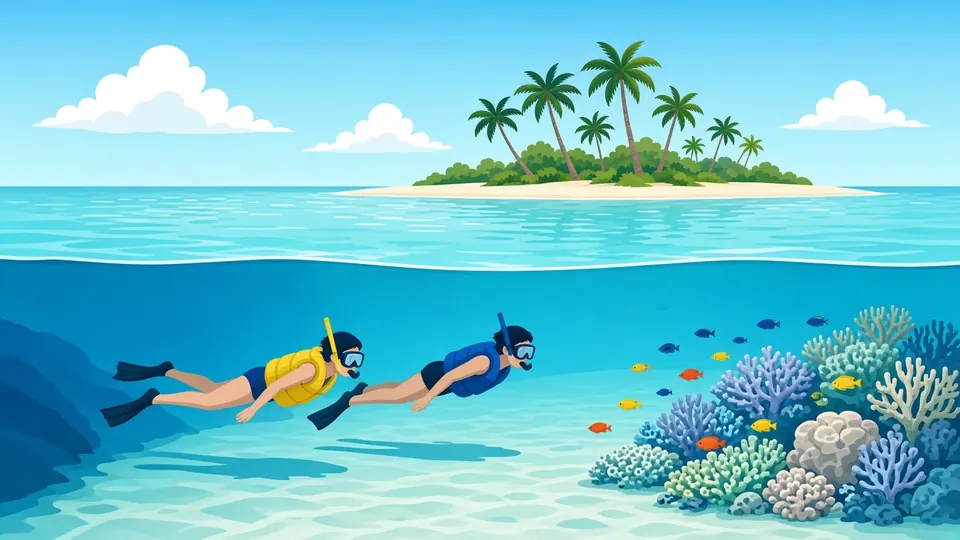
- Never go alone. Always swim and snorkel with a buddy, and keep each other in sight.
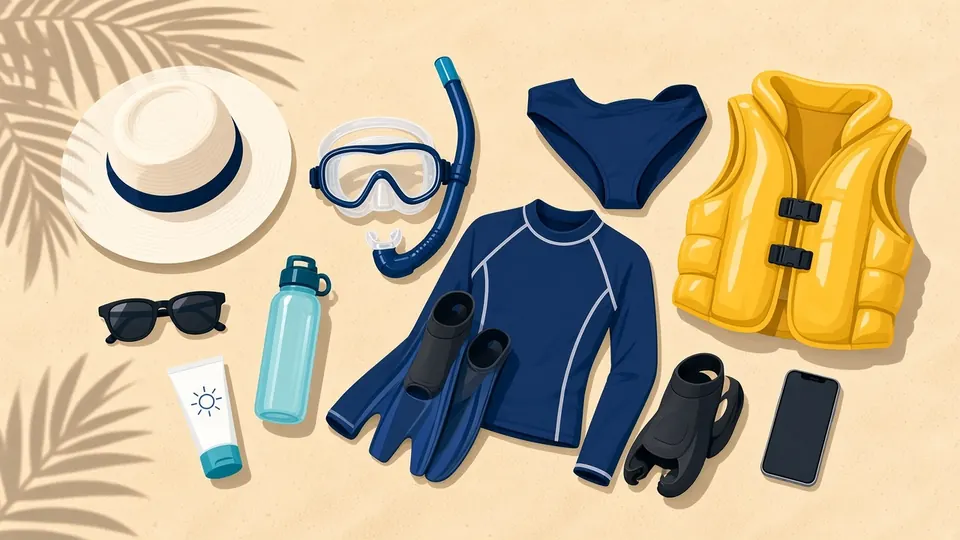
- Wear a snorkel vest if you are not a confident swimmer. The dive centre can lend you a vest and fins and show you how to use them.
- Stay away from reef channels. These are the gaps in the reef where water flows between the lagoon and the open sea and currents there can be strong. Stay in the lagoon or along the inner edge of the reef unless you are with a guide.
- Keep clear of jetties and boat routes, and avoid snorkelling at dusk or after dark unless you are on a guided trip.
- Remember your exit point and save some energy for the swim back.
Ask the resort team about currents and channels on your island and follow their safety briefing. If you see someone in difficulty, alert staff straight away.
Non-swimmers and children
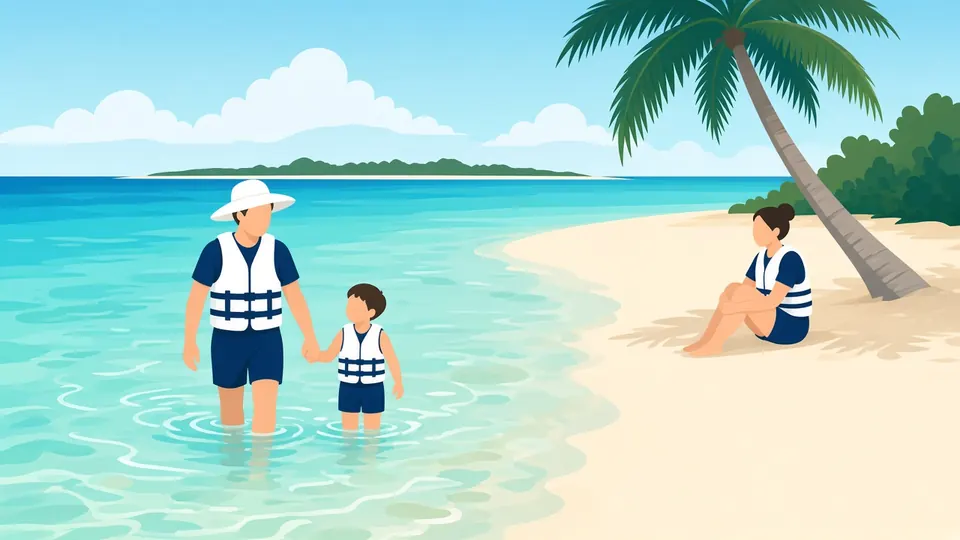
Non-swimmers can still enjoy the water. Stay in the shallow lagoon where you can stand comfortably, wear a life vest, and keep a buddy within arm's reach. Many water sports centres offer beginner swimming or snorkelling sessions, which are a lovely way to gain confidence.
Children need close supervision at all times near water: on the beach, at the pool and especially on villa decks and jetties. Check the signboard at the pool to see whether a lifeguard is on duty. If it says "No lifeguard", stay with your children in the water, and never leave them alone even when a lifeguard is there. Life vests for children are usually available from the resort, so ask for one when you arrive.
Overwater villas
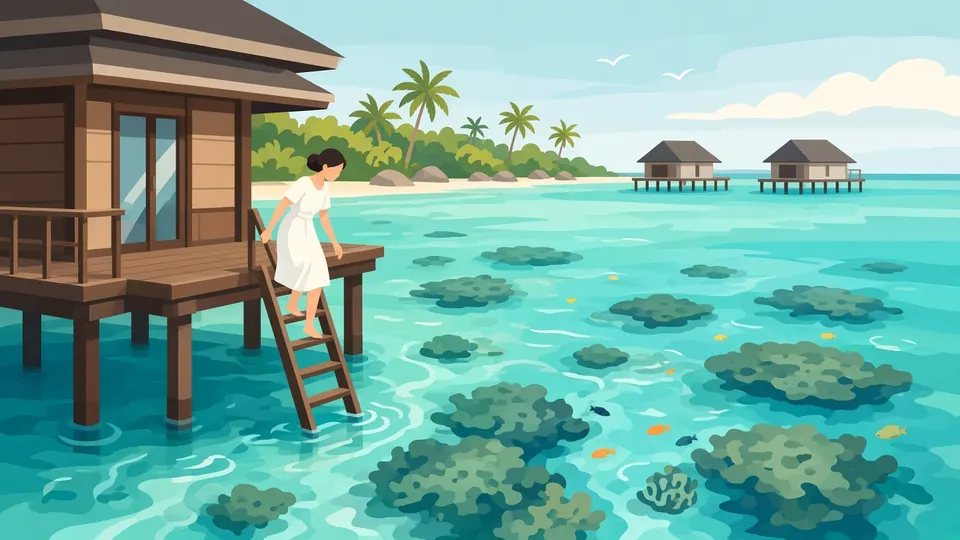
Stepping straight from your deck into the lagoon is one of the joys of the Maldives, but the water below your ladder is not the same everywhere. Depending on the resort and the tide, it may be deep, waist-high, or quite shallow at low tide, with coral or sand just below the surface. Check the depth and the current before stepping in, and never jump or dive from the deck. The steps and ladders get slippery when wet, so take them slowly, especially at night.
Sun, heat and water
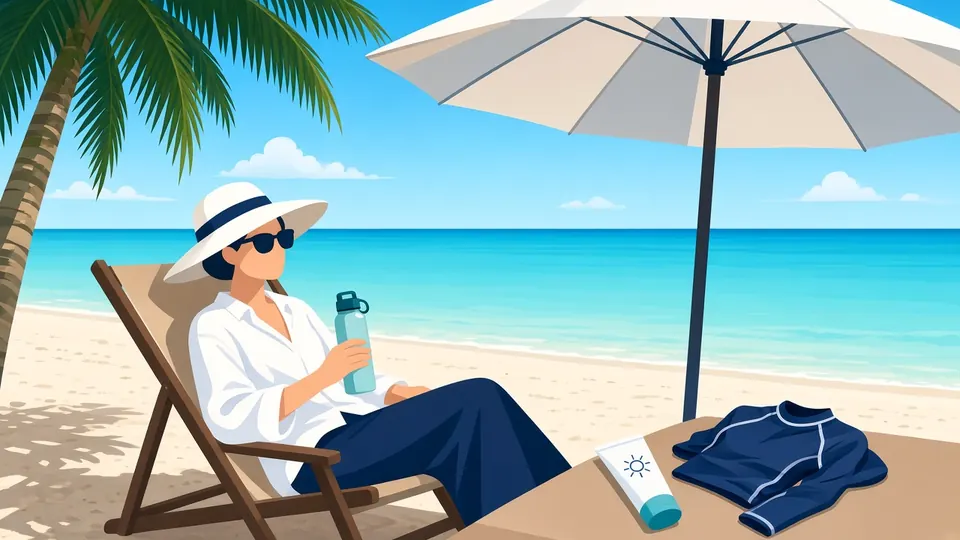
The Maldives sits close to the equator, so the sun is much stronger than many visitors expect, even on cloudy days.
- Use a high-SPF, reef-safe sunscreen (mineral-based, with zinc oxide or titanium dioxide) and reapply every two hours and after every swim.
- Wear a rash guard or long-sleeved swim top when snorkelling. Your back and the backs of your legs face the sun the whole time and burn surprisingly quickly in the water.
- Spend the hottest hours, roughly late morning to mid-afternoon, in the shade.
- Wear a wide-brimmed hat and good sunglasses.
- Drink water regularly throughout the day, more than you think you need, particularly after activities.
Resorts work hard to keep mosquitoes down, but as on any tropical island you may meet a few, especially around dawn and dusk or on a local island visit, so pack insect repellent.
If you do get sunburnt, stay out of the sun and ask the resort doctor or nurse for advice.
Marine life: look, don't touch
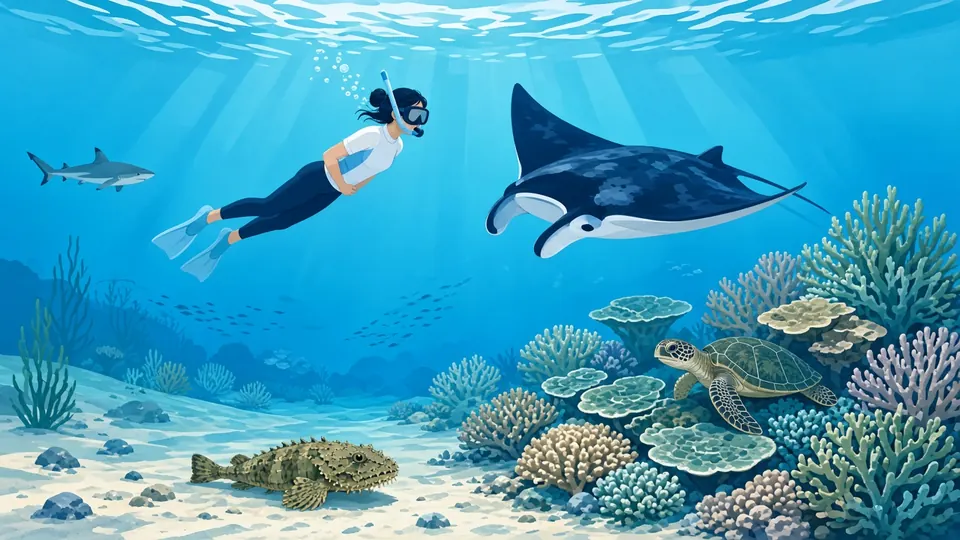
The reef is full of life, and almost all of it is harmless if you leave it alone.
- Coral: don't stand on or touch it. Coral is fragile, and if you get a cut or scrape, show it to the resort doctor.
- Stonefish and scorpionfish: they blend into the sea floor. Avoid walking on the reef, and wear reef shoes in rocky shallows. If you are stung, tell the staff and see the resort doctor straight away.
- Sharks and rays: reef sharks and stingrays are shy and usually swim away. Keep a respectful distance and never feed them.
- Mantas, whale sharks and turtles: enjoy them from a respectful distance, never touch or chase them, and follow your guide's instructions.
Excursions and water sports
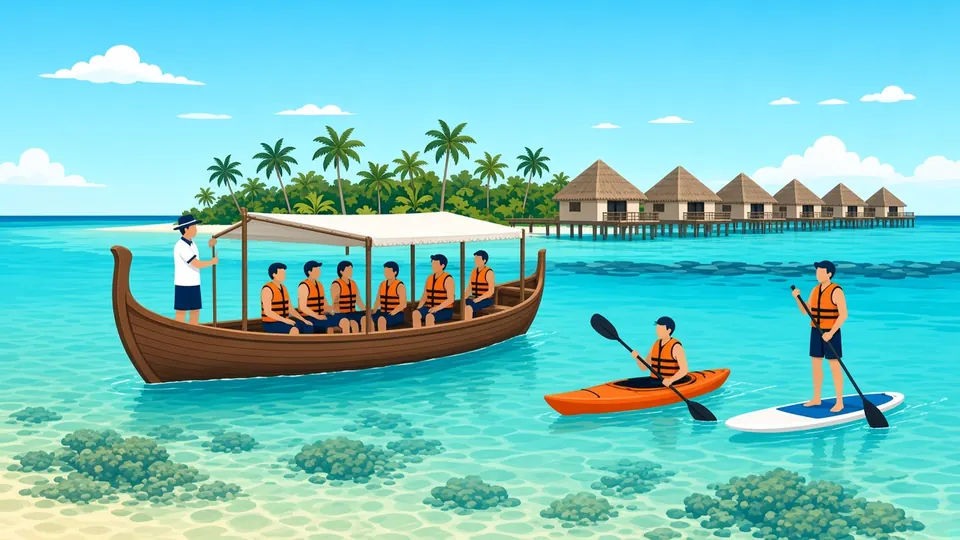
Book excursions and water sports through your resort or a licensed operator. Listen carefully to the safety briefing, tell the guide honestly how well you swim, and always wear a life jacket on boats and during water sports. When getting into or out of the water from a boat, stay well clear of the propeller and wait for the crew's signal.
Diving
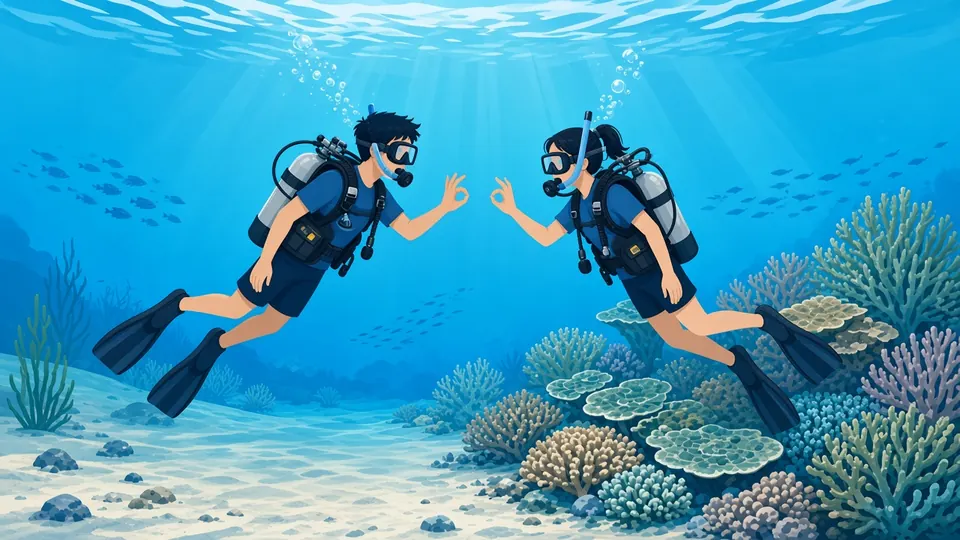
Dive only within your certification and experience, fill in medical forms honestly, and follow your dive guide's plan. If you are new to diving, a resort course with a qualified instructor is the safe way to start.
Plan your departure around your dives. Divers Alert Network (DAN) advises waiting at least 12 hours before flying after a single dive, and at least 18 hours after several dives in a day or several days of diving. Many dive centres ask for a full 24 hours, so follow your dive centre's advice, count your seaplane or domestic flight as part of the journey home, and schedule your final dive accordingly.
Weather and seasons
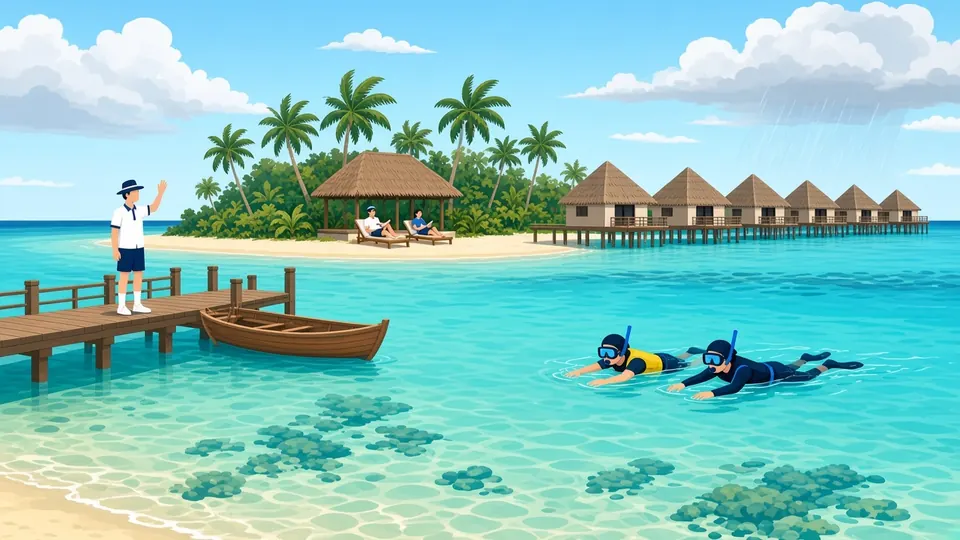
Weather in the Maldives is usually warm and gentle, but wind, rain and swell can build up, particularly during the south-west monsoon. Depending on conditions, some excursions and activities may be postponed or cancelled. These decisions are made for your safety, so it's worth keeping your plans a little flexible.
Health and insurance
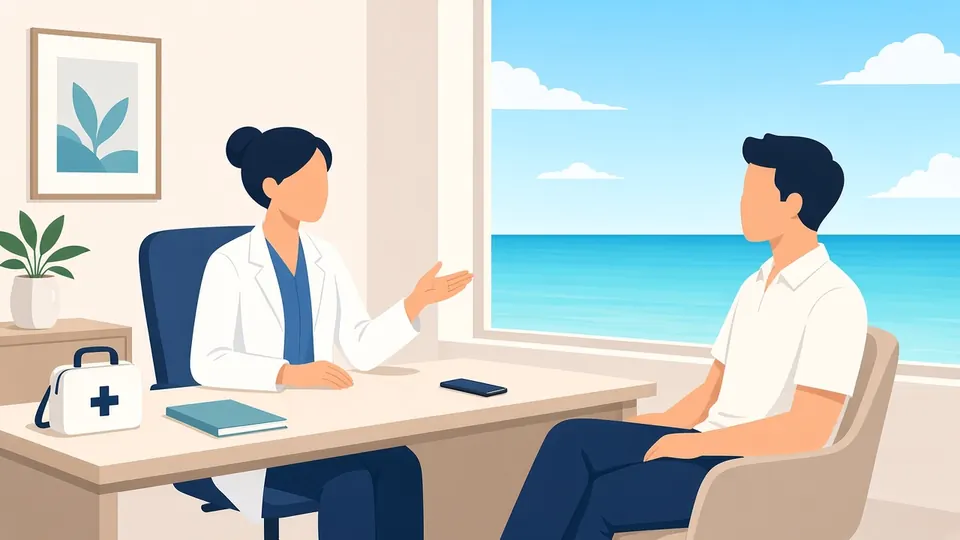
Most resorts have a doctor or nurse on the island or on call, and the main hospitals are in Malé. For serious conditions, a transfer to Malé or even an evacuation abroad may be needed.
- Take out travel insurance with medical and evacuation cover before you travel, and check that it includes any activities you plan, such as diving.
- You may need to pay for treatment at the time. Keep all bills and receipts so you can claim them back from your insurer.
- Bring enough of any regular medicines for your whole stay, in their original packaging, with a copy of your prescription.
- Drink the bottled or filtered water provided by your resort.
A few local laws to know

The Maldives is a Muslim country with strict laws, and it helps to know a few basics:
- Drugs: there is zero tolerance, and even small amounts carry severe penalties.
- Vapes: e-cigarettes and vaping liquids are banned and will be confiscated.
- Local islands: dress modestly when visiting inhabited islands, covering shoulders and knees.
- Coral and shells: don't take coral, or anything made from turtle shell, out of the country.
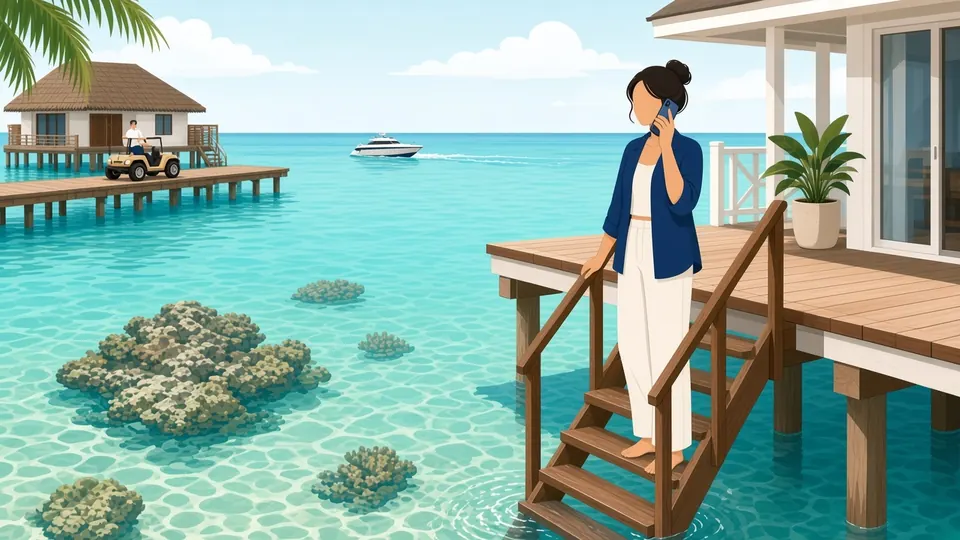
In an emergency Contact your resort reception immediately. They coordinate all help, including the doctor, boats and any evacuation, and they know the fastest way to get it to you. When you arrive, save the reception number in your phone.
Quick safety checklist
- Read the resort map and safety information on arrival.
- Ask about safe swimming areas, currents and your resort's snorkelling rules.
- Tell reception or the dive centre when you go out and when you return.
- Always swim and snorkel with a buddy, and wear a vest if you're not a strong swimmer.
- Stay away from reef channels and boat routes.
- Check the depth and current before stepping in from your villa ladder.
- Supervise children closely near water.
- Use reef-safe sunscreen and a rash guard, and keep drinking water.
- Pack insect repellent for dawn, dusk and local island visits.
- Look, don't touch: coral and marine life.
- Wear a life jacket on boats and during water sports.
- Don't fly for 18–24 hours after diving.
- Travel with medical and evacuation insurance, and keep your receipts.
- Save your resort reception's number in your phone.
Frequently asked questions
Do Maldives resorts have lifeguards?
Most resorts do not have a lifeguard watching the beach. Check the resort map and safety information at reception or in your room, and ask staff where it is safe to swim.
Is it safe to snorkel the house reef on my own?
Always snorkel with a buddy, never alone. Check your resort's snorkelling rules first, and tell reception or the dive centre when you go out and when you come back.
Can non-swimmers snorkel in the Maldives?
Yes, in the shallow lagoon where you can stand, wearing a life vest and with a buddy close by. Many resorts offer beginner lessons or guided snorkels.
Are there strong currents around Maldives islands?
Currents and tides vary from island to island and can be strong in reef channels. Ask the resort team about currents and channels on your island and follow their safety briefing.
How long after diving can I take a seaplane?
DAN advises at least 12 hours after a single dive and at least 18 hours after several dives or days of diving. Your seaplane or domestic flight counts too, so follow your dive centre's advice and plan your last dive around your departure.
Who do I contact in an emergency at my resort?
Contact resort reception immediately. They coordinate the doctor, boats and any evacuation.
Do I need travel insurance for the Maldives?
Yes. Choose a policy with medical and evacuation cover. You may need to pay for treatment at the time, so keep all bills and receipts to claim later.