The Maldives is one of the world's great diving destinations, and every atoll has its own character. Some are known for manta rays, others for sharks in the channels, colourful pinnacles or old wrecks. This guide introduces well-known dive sites atoll by atoll, so you can see what each area is famous for. For what to expect on a dive holiday and how to learn, see our diving guide. Your resort dive centre chooses sites each day based on conditions and the experience of the group, and briefs you before every dive.
Dive site types in a few words
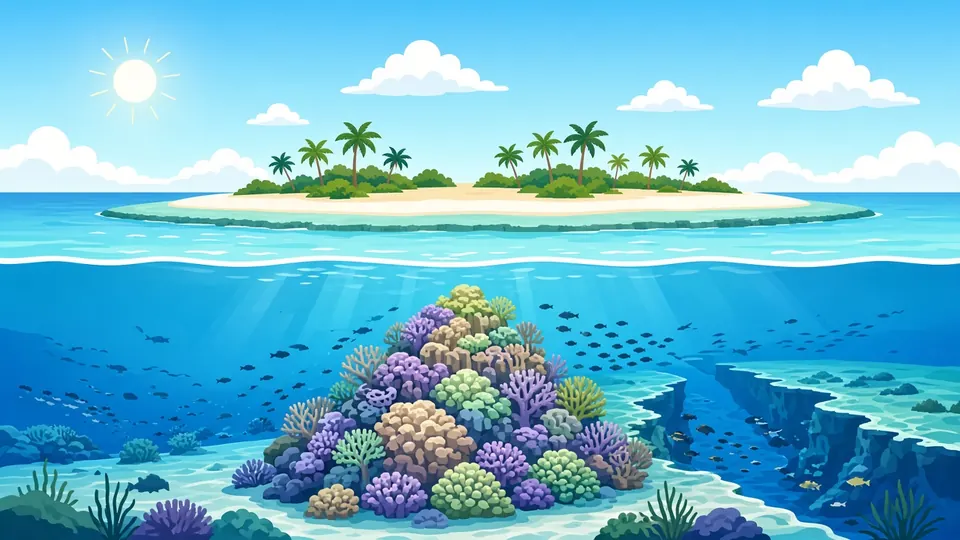
Maldivian dive sites carry Dhivehi names that describe the reef:
- Kandu: a channel through the edge of the atoll, where currents bring in sharks, rays and schools of fish. Channel dives are usually for experienced divers.
- Thila: an underwater pinnacle whose top sits below the surface, often covered in soft corals and full of fish.
- Giri: a coral head that rises close to the surface, usually in calmer water.
- Faru: a reef that reaches the surface.
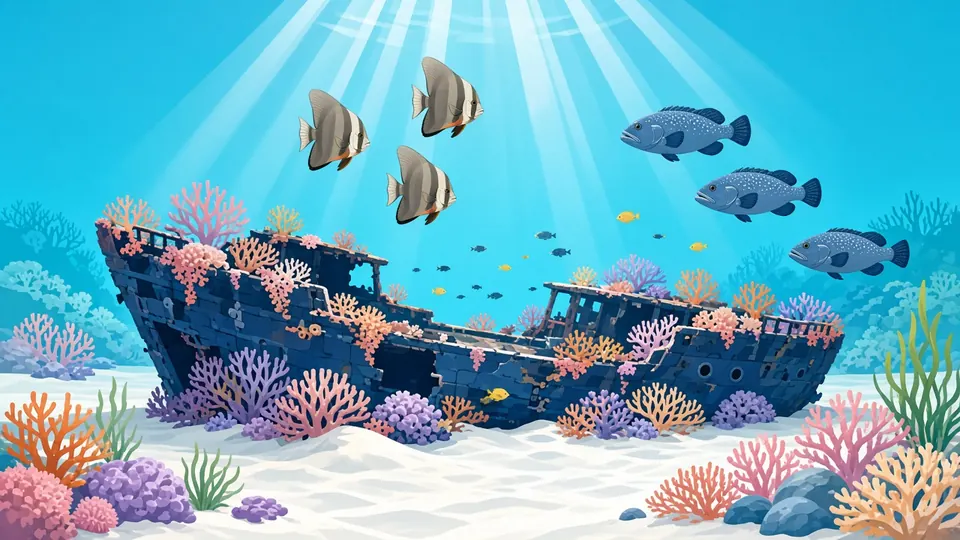
- Wreck: a sunken ship, now home to corals and fish.
- House reef: the reef around a resort, often reached straight from the beach.
North Malé Atoll
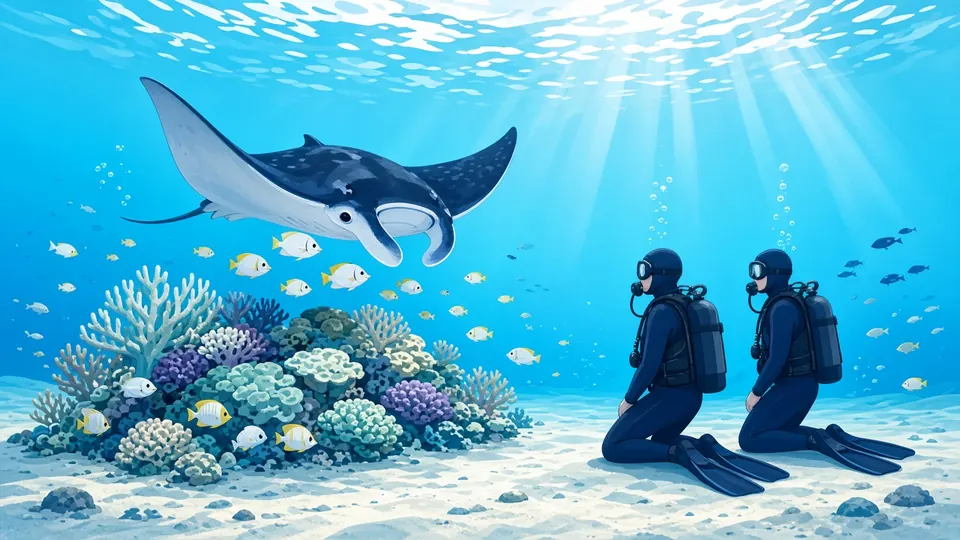
Close to the airport, North Malé has some of the best-known sites in the country.
- Manta Point (Lankan Reef): a cleaning station where manta rays come to be cleaned by small fish. Suits a range of levels in calm conditions.
- Banana Reef: one of the first dive sites in the Maldives, with overhangs, caves and colourful reef life. Often suitable for newer divers.
- Okobe Thila: a group of pinnacles with soft corals and plenty of fish. Usually for experienced divers.
- Maldive Victory: a cargo ship that sank near the airport, now covered in corals. For experienced divers.
Our hand-picked resorts in this atoll: Adaaran Select Hudhuranfushi, Bandos Maldives, Banyan Tree Vabbinfaru, Dhawa Ihuru, Eri Maldives, Joy Island, Niva Kurumba Maldives, Patina Maldives, Fari Islands, Sheraton Maldives Full Moon Resort & Spa, Villa Nautica, Paradise Island and Thulhagiri Island Resort & Spa.
South Malé Atoll
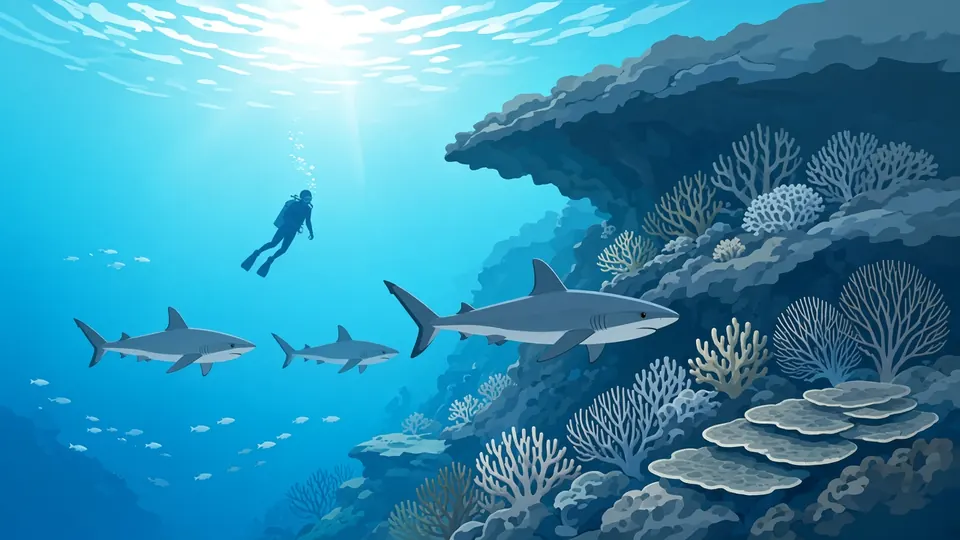
South Malé is known for lively channel dives.
- Kandooma Thila: a dramatic pinnacle where grey reef sharks, eagle rays and tuna gather. For experienced divers.
- Cocoa Corner: overhangs and caves at the corner of a channel, with sharks and rays. For experienced divers.
- Guraidhoo Kandu: a channel with walls, caves and plenty of fish. For experienced divers.
- Embudhu Express: a long drift through a protected channel, with sharks, rays and sea fans. For experienced divers.
Our hand-picked resorts in this atoll: Adaaran Club Rannalhi, Adaaran Prestige Vadoo, Hard Rock Hotel Maldives, Holiday Inn Resort Kandooma, Niva Velassaru Maldives, Saii Lagoon Maldives, Sun Siyam Olhuveli Maldives and Waldorf Astoria Maldives Ithaafushi.
North Ari Atoll
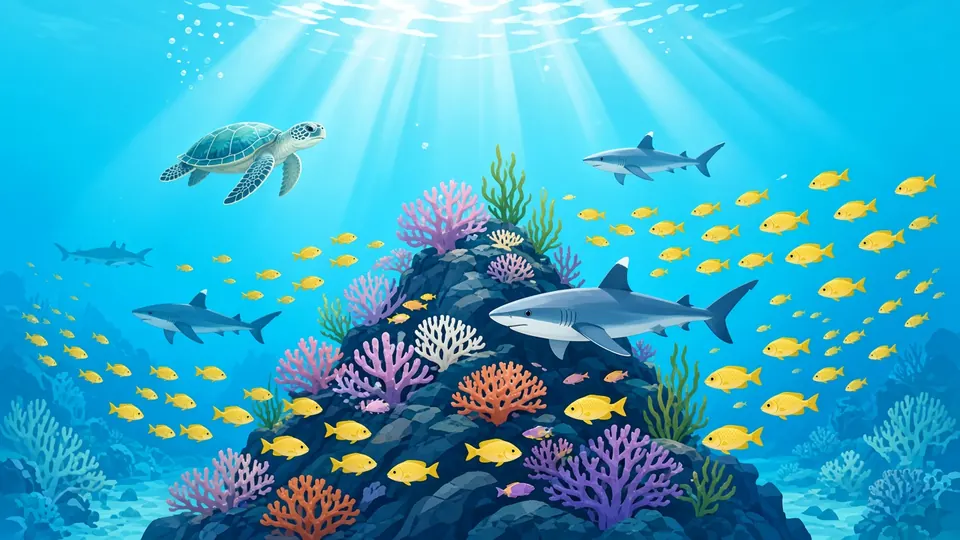
North Ari, including Rasdhoo, offers some of the most famous sites in the Maldives.
- Maaya Thila: a small pinnacle with whitetip reef sharks, turtles and reef life, and a well-known night dive. For experienced divers.
- Fish Head: a protected pinnacle where grey reef sharks circle above big schools of fish. For experienced divers.
- Hammerhead Point (Rasdhoo Madivaru): an early-morning dive along a deep wall, where hammerhead sharks are sometimes seen. For experienced divers.
- Fesdu Wreck: a small fishing boat wreck covered in corals, with glassfish and moray eels, next to a pretty thila. Suits a range of levels.
Our hand-picked resorts in this atoll: Ananea Madivaru, Constance Halaveli Resort, Niva Kuramathi Maldives, Safari Island Resort & Spa and W Maldives.
South Ari Atoll
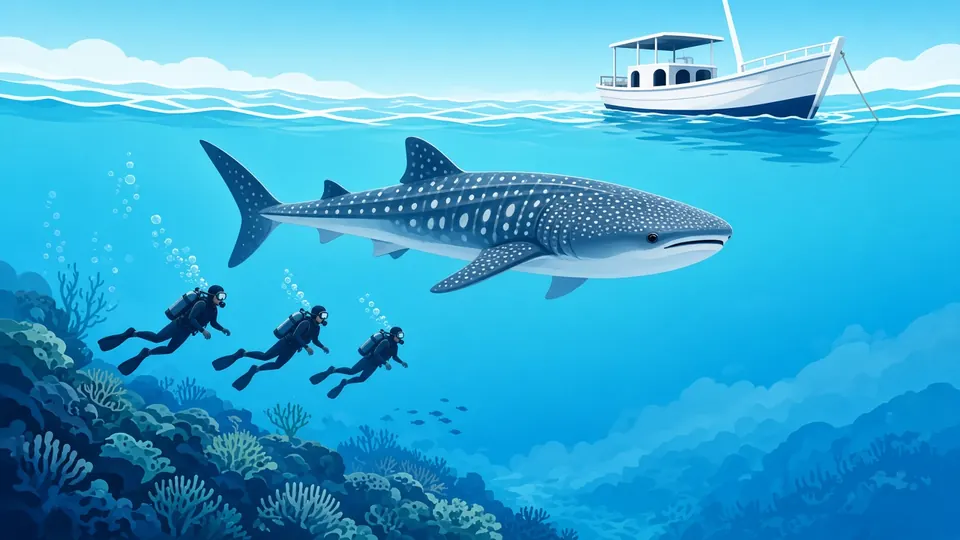
South Ari is best known for whale sharks.
- South Ari Marine Protected Area: whale sharks are often seen along the outer reef here, by divers and snorkellers alike. Suits all levels.
- Kudarah Thila: a group of coral-covered pinnacles with swim-throughs, turtles and sharks. For experienced divers.
- Broken Rock: a thila split by a canyon, with corals, moray eels and passing fish. For experienced divers.
Our hand-picked resorts in this atoll: Angaga Island Resort and Spa, Conrad Maldives Rangali Island, Constance Moofushi Resort, Diamonds Athuruga Beach & Water Villas, Diamonds Thudufushi Beach & Water Villas, Drift Thelu Veliga Retreat, Lily Beach Resort, LUX South Ari Atoll, Maldives, NH Kuda Rah Maldives, Nova Maldives and Villa Park, Sun Island.
Baa Atoll
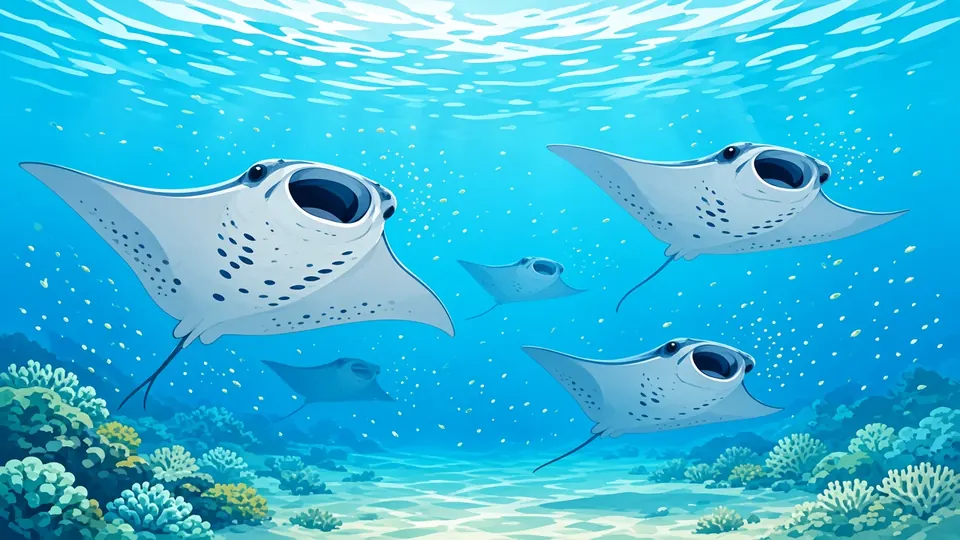
Baa Atoll is a UNESCO Biosphere Reserve, famous for manta rays.
- Hanifaru Bay: a protected bay where manta rays and sometimes whale sharks gather to feed. It is open to snorkelling only, not scuba diving. See our Baa Atoll guide.
- Dhonfanu Thila: a pinnacle with a swim-through, reef sharks and a manta cleaning station. Suits a range of levels, depending on current.
- Nelivaru Thila: canyons and overhangs full of fish, with mantas at times. Suits a range of levels.
- Dharavandhoo Thila: a quieter pinnacle with soft corals, turtles and whitetip reef sharks. Suits a range of levels.
Our hand-picked resorts in this atoll: Anantara Kihavah Villas, Avani + Fares, Dhigufaru Island Resort, Dreamland - The Unique Sea & Lake Resort/Spa, Royal Island Resort and Spa and The Westin Maldives Miriandhoo Resort.
Raa Atoll
Raa is known for its many thilas.
- Vaadhoo Thila: a small pinnacle where grey reef sharks circle, with turtles and stingrays around the overhangs. Suits a range of levels.
The resort dive centres in Raa also visit many other thilas and manta sites nearby.
Our hand-picked resorts in this atoll: Alila Kothaifaru Maldives, Heritance Aarah, Kudafushi Resort & Spa, Niva Dhigali Maldives and You & Me By Cocoon.
Lhaviyani Atoll
- Kuredu Express: a channel dive with grey reef sharks, eagle rays and turtles. For experienced divers.
- The Shipyard: two coral-covered wrecks, one still rising above the surface. Suits a range of levels.
- Fushifaru Thila: a protected pinnacle with a manta cleaning station and sharks. Usually for experienced divers.
Our hand-picked resort in this atoll: Le Méridien Maldives Resort and Spa.
Dhaalu Atoll
Dhaalu is quieter, with channels on both sides of the atoll.
- Fushi Kandu: a protected channel with sea-fan-covered thilas, reef sharks, eagle rays and turtles. For experienced divers.
- Maa Kandu: a channel drift with sharks, tuna and soft corals. For experienced divers.
- Vaanee Kandu: sandy slopes and coral outcrops, with manta rays at times. Suits a range of levels.
Our hand-picked resorts in this atoll: Kandima Maldives and The St. Regis Vommuli Resort, Maldives.
Gaafu Atoll (Huvadhoo)
Huvadhoo, in the far south, is one of the largest atolls in the world, with deep channels and big fish.
- Vilingili Kandu: a channel known for large groups of grey reef sharks. For experienced divers.
- Kooddoo Kandu: a channel near the domestic airport, with sharks, turtles and rays. For experienced divers.
- Nilandhoo Kandu: a channel drift with reef sharks and eagle rays, and hammerheads now and then. For experienced divers.
Our hand-picked resort in this area: Ayada Maldives (Gaafu Dhaalu).
More atolls worth knowing
- Vaavu: Fotteyo Kandu, with soft-coral walls, sharks and eagle rays, and Miyaru Kandu, known for grey reef sharks, are both for experienced divers. The Alimatha night dive, with nurse sharks and stingrays, suits a range of levels.
- Meemu: Mulaku Kandu is a channel with sharks and pelagic fish, for experienced divers. Mantas and More is a shallow manta cleaning station, and Medhufushi Thila is a pinnacle with overhangs; both suit a range of levels.
- Faafu: Jumping Jack is a channel with a line of thilas, sharks and eagle rays, for experienced divers. Filitheyo Kandu is a protected channel with several sites inside it.
- Noonu: Orimas Thila is a cleaning station for grey reef sharks, for experienced divers. Christmas Tree Rock is a tiered pinnacle with whitetip sharks and rays.
- Haa Alif and Haa Dhaalu: Baarah Thila is a manta cleaning station, Anemone Thila is known for leopard sharks resting on the sand, and the Maadhoo wreck adds a wreck dive.
- Thaa: Olhugiri Kandu brings whitetip sharks, jacks and eagle rays, for experienced divers. Gorgonian Garden is covered in sea fans.
- Laamu: Fushi Kandu is a channel with reef sharks and eagle rays, and Hithadhoo Corner has manta cleaning stations. Both are usually for experienced divers.
- Addu: the British Loyalty, the largest wreck in the Maldives and a protected site, is for experienced divers. Maa Kandu has a manta cleaning station, and Shark Point is known for grey and whitetip reef sharks.
- Fuvahmulah: a single-island atoll known for tiger sharks and thresher sharks. It is strictly for very experienced divers.
Choosing where to dive
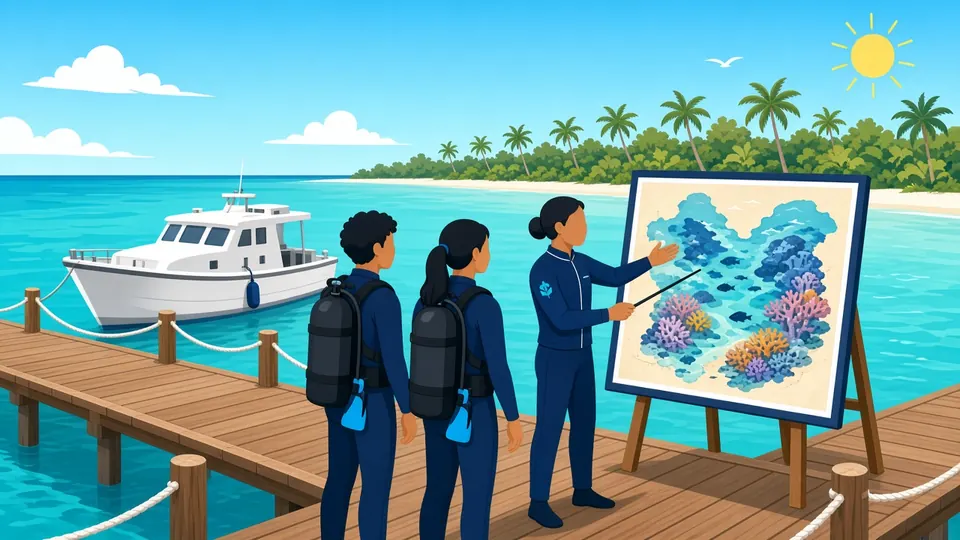
Start with what you would most like to see, whether that's manta rays, whale sharks, sharks in the channels, soft-coral pinnacles or wrecks, and then match it to an atoll. Remember that your resort dive centre decides which sites to visit each day, based on conditions and the group's experience, and that sightings of wildlife are never guaranteed. If diving is a big part of your holiday, tell us when you enquire, and we'll suggest hand-picked resorts close to the sites that interest you.
Quick checklist
- Decide what you most want to see: mantas, whale sharks, sharks, thilas or wrecks
- Match it to an atoll and a resort with a dive centre
- Bring your certification card and logbook
- Tell the dive centre about your experience and any recent dives
- Listen carefully to every dive briefing
- Ask the dive centre which sites suit your level
- Never touch or stand on the coral, and keep a respectful distance from marine life
Frequently asked questions
Which atoll is best for manta rays?
Mantas visit cleaning stations in many atolls, including North Malé, Baa, Lhaviyani, Meemu, Laamu and Addu. In Baa Atoll, Hanifaru Bay is famous for mantas but is open to snorkelling only.
Where can I see whale sharks?
The South Ari Marine Protected Area is the best-known place in the Maldives to see whale sharks, and they can be seen by both divers and snorkellers.
Can newer divers visit famous dive sites?
Yes, many sites, such as some reefs, thilas and manta cleaning stations, suit newer divers in calm conditions. Channel dives are usually for experienced divers. Your resort dive centre will advise which sites suit you.
Can I scuba dive at Hanifaru Bay?
No. Hanifaru Bay is a protected area where only snorkelling is allowed, with a guide.
Are there wrecks to dive in the Maldives?
Yes. Well-known wrecks include the Maldive Victory in North Malé, the Fesdu Wreck in North Ari, The Shipyard in Lhaviyani and the British Loyalty in Addu.
Will my resort's dive centre take me to these sites?
Resort dive centres usually visit sites within reach of the resort. The sites each day depend on conditions and the group. Ask the dive centre about the sites near your resort.