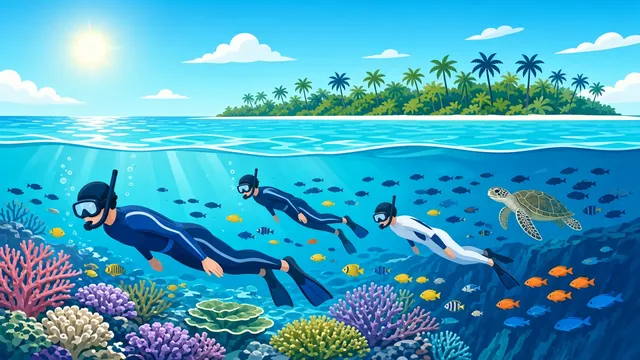
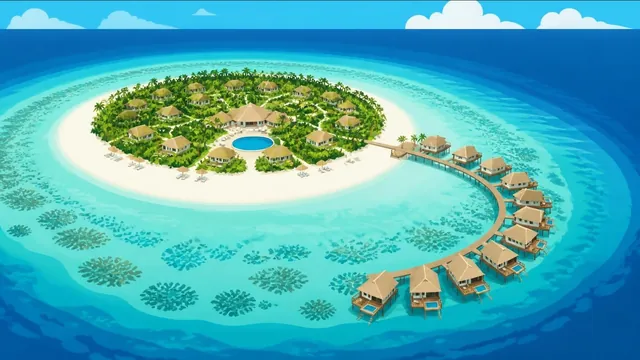
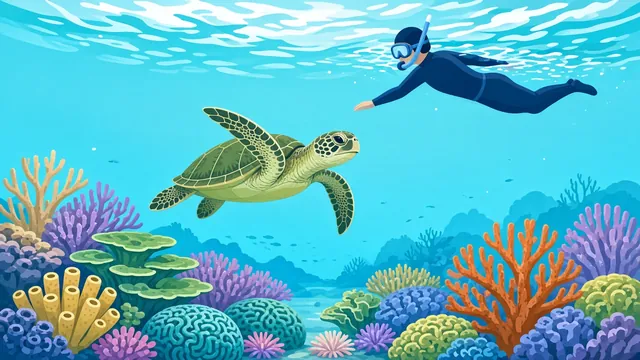
"Does it have a good house reef?" is one of the most common questions people ask about a Maldives resort. The answer can shape your whole holiday, especially if you love being in the water.
This guide explains what a house reef is, how resorts differ, and the questions worth asking before you book. For how to snorkel, what to wear and what you might see, see our snorkelling guide.
What a house reef is
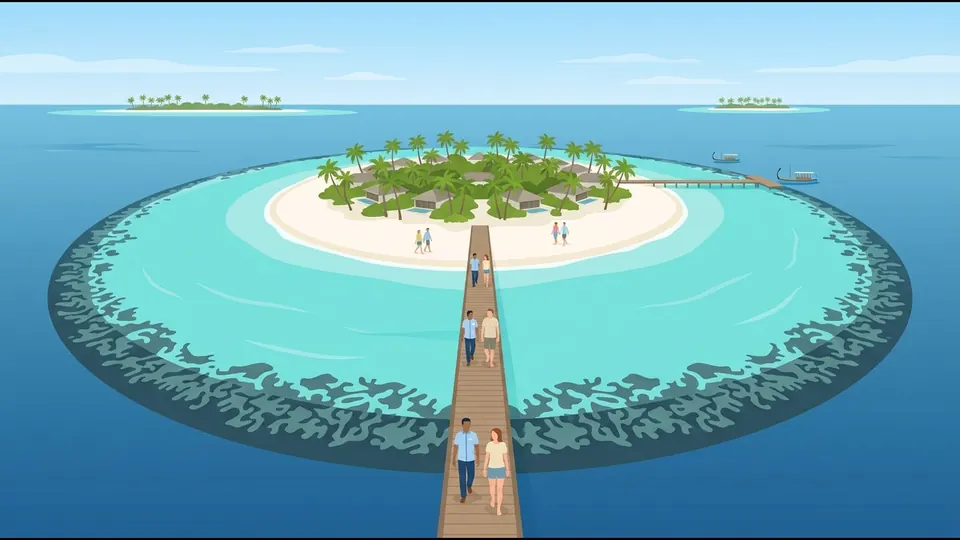
A house reef is the coral reef that surrounds a resort island and that you can reach without a boat. You walk in from the beach, step down a ladder from a jetty, or slip in from the steps of a water villa.
Every Maldives island sits on a reef, because the islands themselves are made from coral sand. What makes a house reef special is distance. On some islands, the living coral is only a short swim away. On others, it is far out across a wide lagoon.
The parts of a house reef
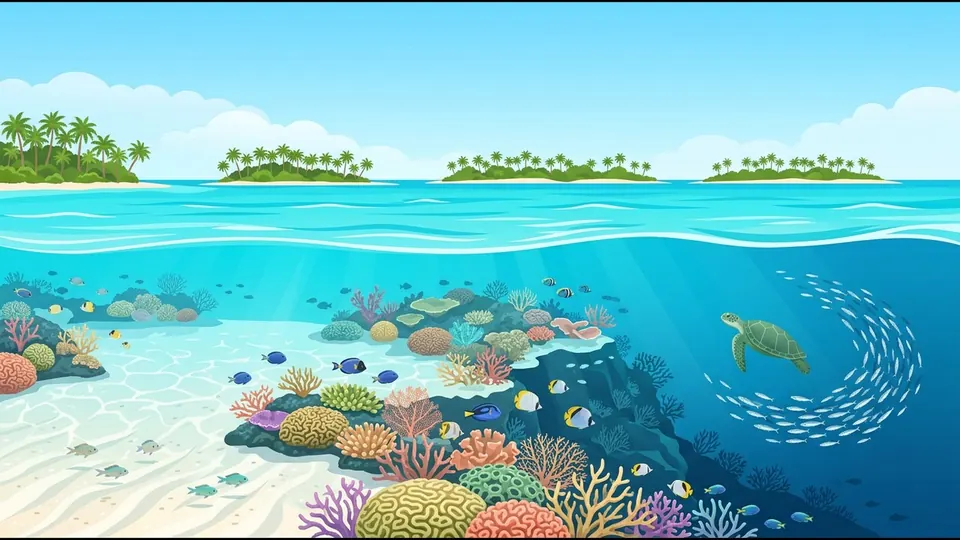
Most house reefs follow a similar pattern from the shore outwards.
- The lagoon. Shallow, sandy water close to the beach, usually calm and clear.
- The reef flat. A shallower area of coral patches, rock and sand, where small fish gather.
- The reef edge, or drop-off. Where the reef slopes or falls away into deep blue water. Many of the bigger fish, turtles and rays are seen along here.
Your resort’s water sports or dive team can show you a map of the reef and point out the best places to go in.
Beach, jetty and channel entries
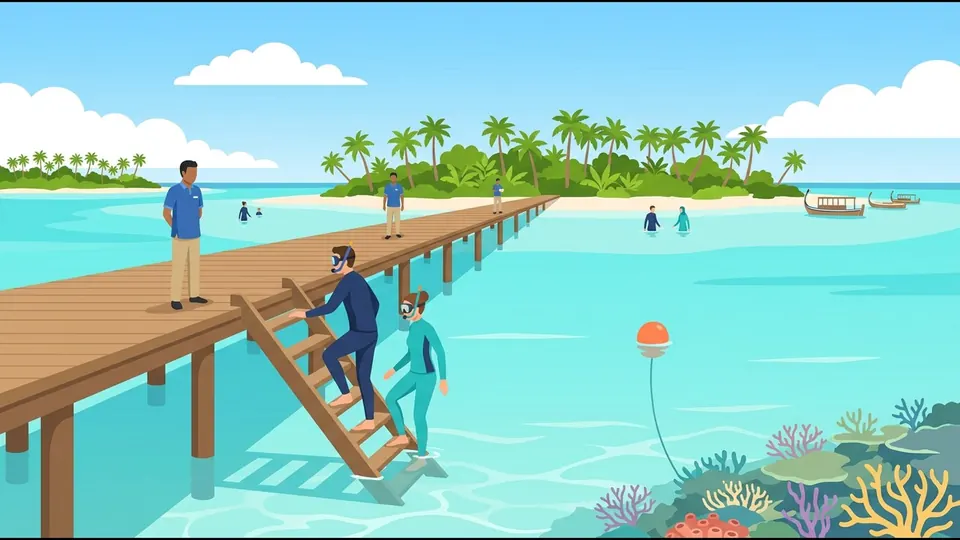
How you get onto the reef varies from island to island.
- Beach entries let you wade or swim out from the sand.
- Jetty entries use ladders or steps from a wooden jetty, often close to the drop-off.
- Marked channels are paths cut through shallow reef so you can swim out without touching the coral.
Many resorts mark their entry points with signs or buoys. Using them keeps you safe and protects the coral. Always check the tide and currents with the resort team, especially near channels and the drop-off. Our guide to staying safe covers water safety in more detail.
Reef or lagoon: two kinds of island
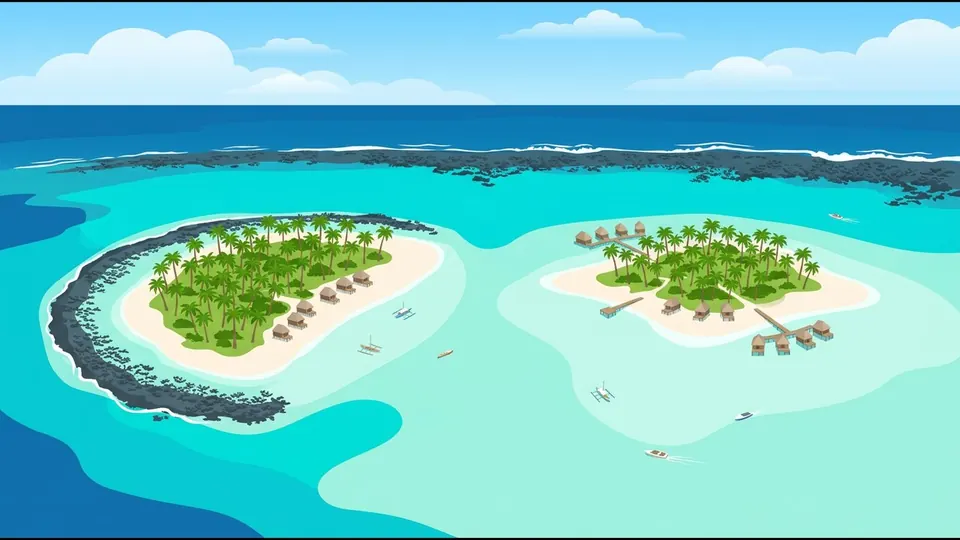
Resort islands tend to fall into two groups.
Close house reef
The reef is a short swim from the beach or jetty. This suits keen snorkellers who want to be in the water every day without booking a trip.
Wide lagoon
The island sits in a large, shallow lagoon, with the reef further out. The water near the beach is calm, clear and gentle, which suits children, gentle swimmers and anyone who loves long, easy swims. The reef is usually reached on snorkelling trips by boat.
Neither is better. It depends on what you want from the water. Our guide to choosing a resort explains how this fits with the other choices.
Why house reefs differ
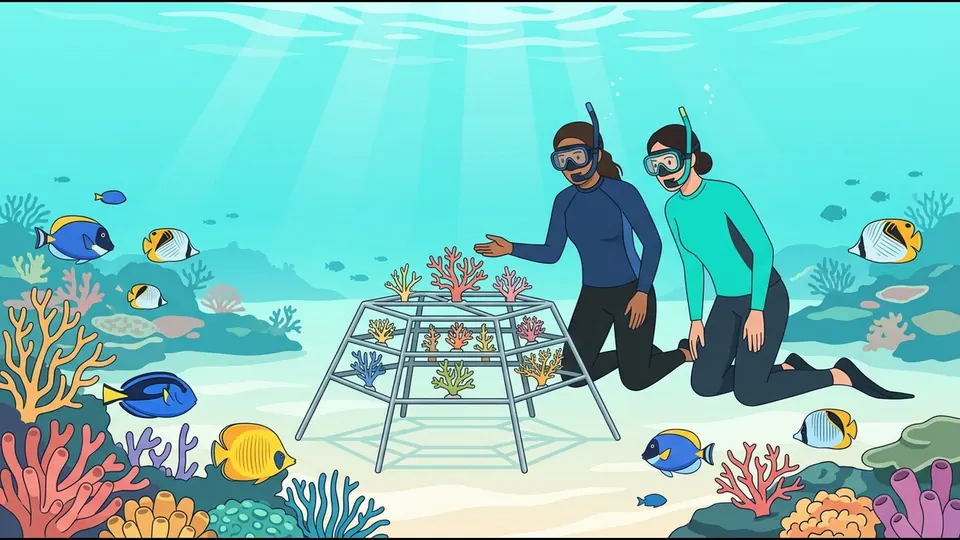
House reefs change from place to place for natural reasons.
- Position in the atoll. Reefs near channels often see more fish and bigger animals, because water flows in and out there.
- The shape of the island. Some islands have reef on every side, others only on one.
- Coral health. Like reefs everywhere, Maldives reefs can be affected by warm-water events. Many recover over time, and some resorts run coral planting and reef care projects.
Conditions also change with the tide and the weather. A side of the island that is calm in the morning may be choppy later. Your resort team will tell you which areas are best each day.
Questions to ask before you book
If the house reef matters to you, these questions help.
- How far is the reef from the beach or jetty?
- Where are the entry points, and are they marked?
- Is there a drop-off, and how deep is the water at the reef edge?
- Are guided house reef snorkels offered?
- Is there a marine biologist or reef programme on the island?
- If the reef is far, how often are snorkelling trips by boat?
Tell us when you enquire that the house reef matters, and we’ll suggest hand-picked resorts with easy access to good coral, and check the answers with the resort.
Caring for the house reef
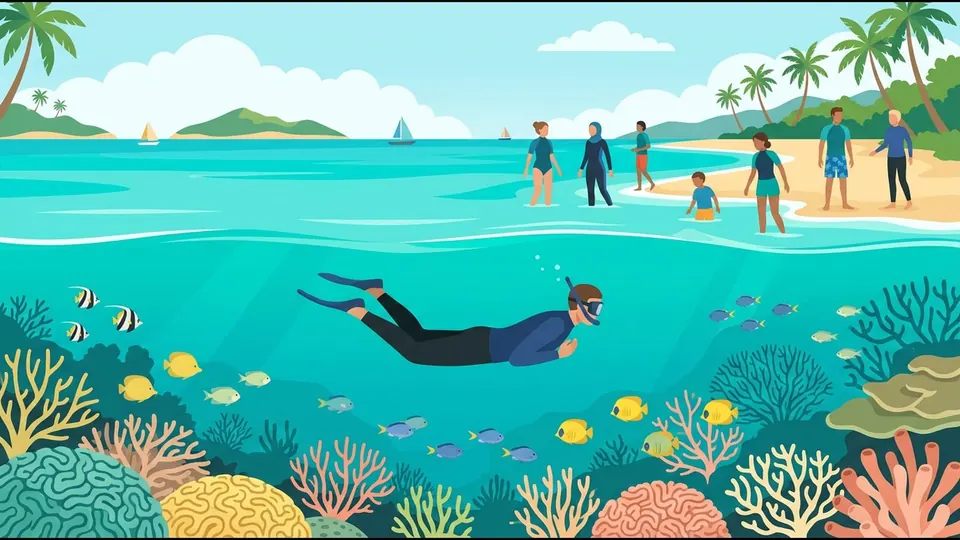
A house reef is home to the same fish and turtles you will see day after day, so small habits make a big difference.
- Don’t stand on, touch or kick the coral.
- Use the marked entry points.
- Don’t feed the fish.
- Use reef-safe sunscreen, or cover up with a long-sleeved top.
- Follow your resort’s reef briefing.
Our guide to responsible travel has more simple ways to help.
Frequently asked questions
What is a house reef?
A house reef is the coral reef around a resort island that you can reach without a boat, from the beach, a jetty or your villa.
Do all Maldives resorts have a house reef?
Every island sits on a reef, but on some islands the coral is far out across a wide lagoon. Those resorts usually run snorkelling trips by boat instead.
What is the drop-off?
The drop-off is the reef edge, where the reef slopes or falls into deep water. Many bigger fish, turtles and rays are seen along it.
Is a house reef good for children?
It depends. A close reef with deeper water suits confident swimmers. A wide, shallow lagoon is often better for children and gentle swimmers.
How do I find the best place to enter the house reef?
Use the marked entry points and ask the resort’s water sports or dive team. They know the tides and currents.
Can you see turtles on a house reef?
Often, yes. Turtles are regularly seen on many house reefs, though sightings are never guaranteed. Our sea turtle guide explains more.