The Maldives is beautiful partly because it is so fragile. Its islands are low, its reefs are living, and its fresh water and space are limited. Travelling with care helps keep it that way for the people who live here and for the next guests.
This guide explains why the Maldives needs care, and simple things you can do on holiday. None of it means giving up comfort.
Why the Maldives is fragile
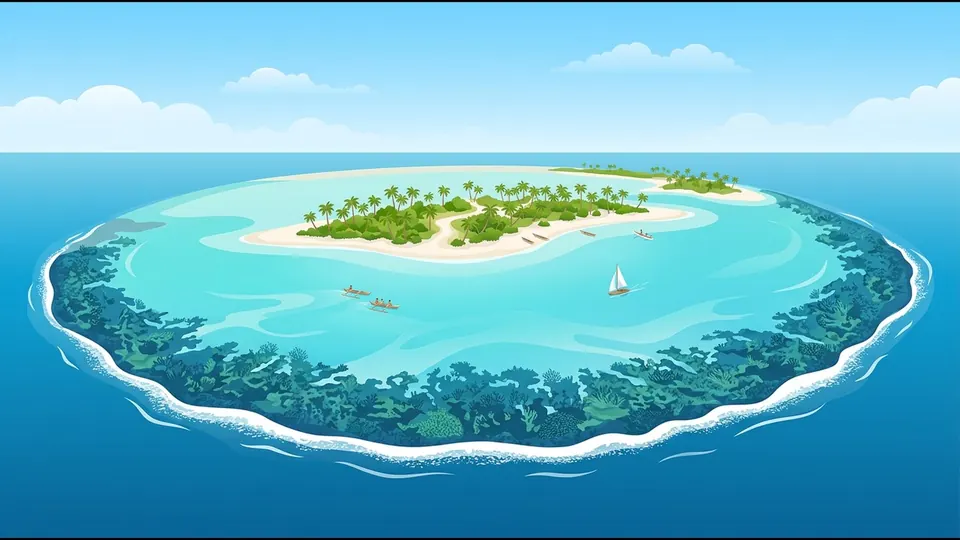
The islands are built by coral reefs. The reefs protect the beaches from waves, feed the fish and attract the visitors. When reefs are damaged, islands become more open to erosion.
Most islands rise only a metre or two above the sea, so the country is very aware of climate change and rising seas. Fresh water, waste and energy are also big challenges on small islands, where almost everything arrives by boat.
Protected areas and species
The Maldives protects many places and animals by law.
- Marine protected areas include dive sites and important reefs. Baa Atoll is a UNESCO Biosphere Reserve. Our Baa Atoll guide explains it.
- Protected species include sea turtles, manta rays, whale sharks and many others. Shark fishing is banned.
- Coral and shells must not be taken. Our customs guide explains what you can take home.
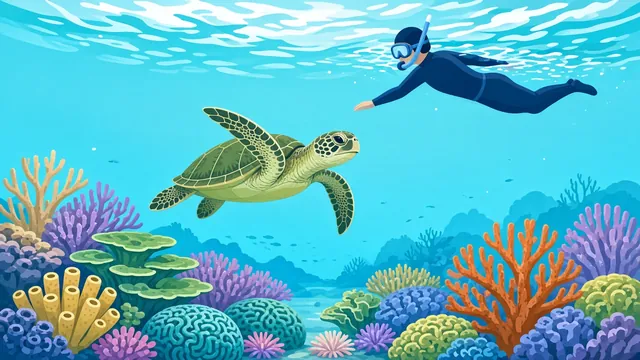
Our guide to sea turtles shows how to watch them without disturbing them.
Reef-friendly habits
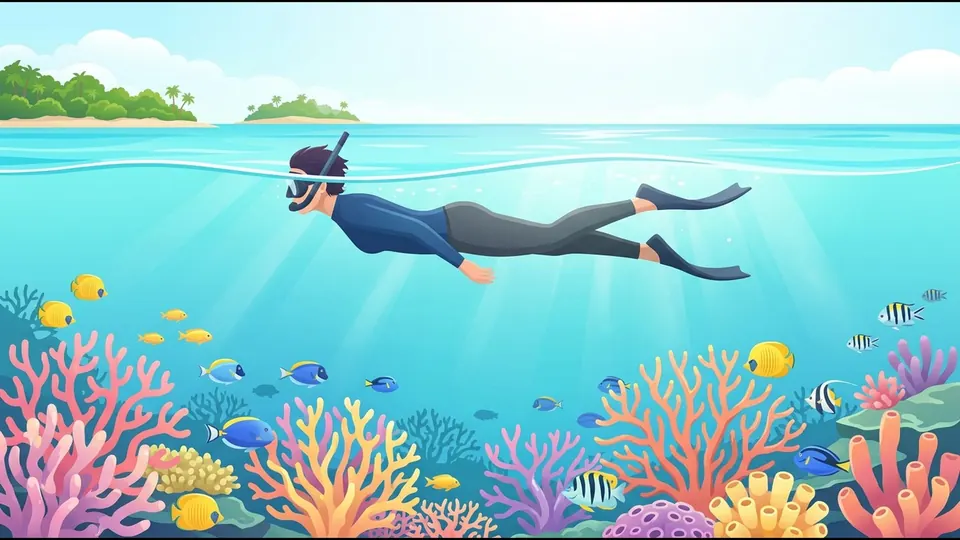
The reef is where your choices count most.
- Don’t touch, stand on or kick coral. Use marked entry points.
- Don’t feed fish or chase animals.
- Use reef-safe sunscreen, or wear a long-sleeved top in the water.
- Follow your guide’s briefing on every trip.
- Never take coral, shells or sand.
Many resorts run reef care programmes, such as coral planting. Joining one is a lovely way to learn about the reef.
Cutting plastic and waste
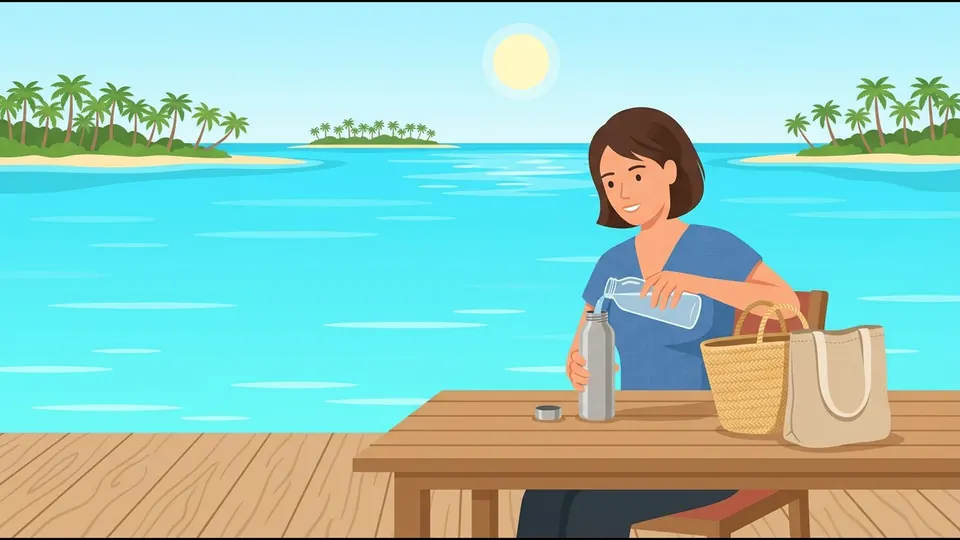
Waste is a real challenge on small islands. Many resorts have reduced single-use plastic, make their own drinking water in glass bottles, and sort their rubbish.
You can help too:
- Bring a refillable water bottle.
- Leave extra packaging at home.
- Take your rubbish back from sandbanks and boat trips.
- Take used batteries home with you.
Water and energy
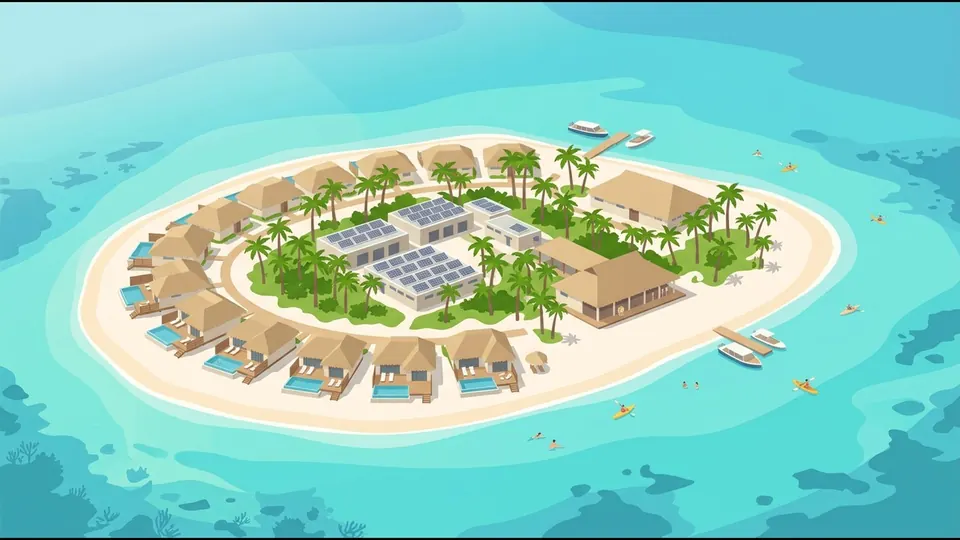
Fresh water on resort islands is often made from seawater, which takes energy. Some resorts also use solar power.
Short showers, reusing towels and switching off air conditioning when you leave your villa all help. They are small habits, but on a small island they add up.
The green tax
Visitors to the Maldives pay a green tax, a government charge added for each night of your stay. It goes towards environmental projects and waste management.
Resorts include it on your bill or quote, so you don’t need to pay it separately. Our guide to money and tipping explains how resort bills work.
Supporting local communities
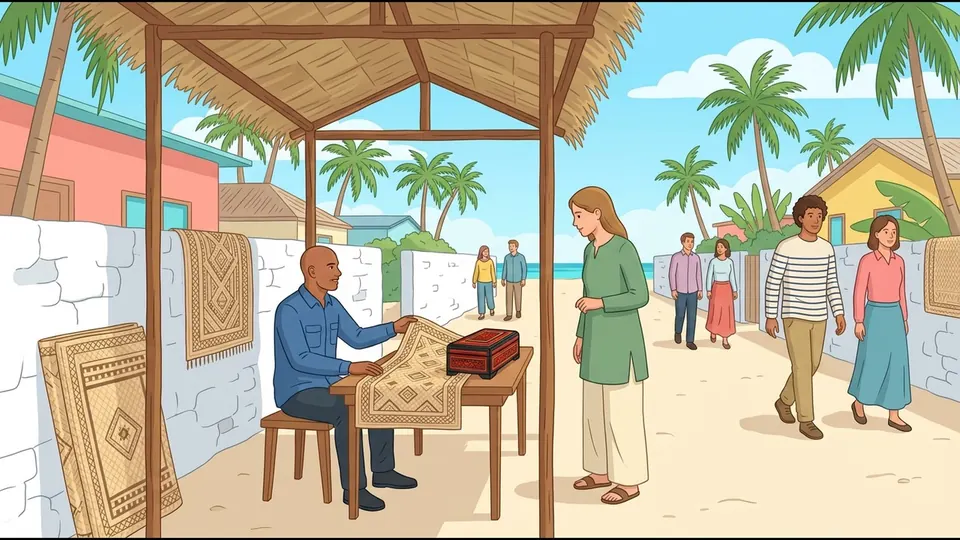
Tourism is the Maldives’ biggest industry, and you can help its benefits reach local people.
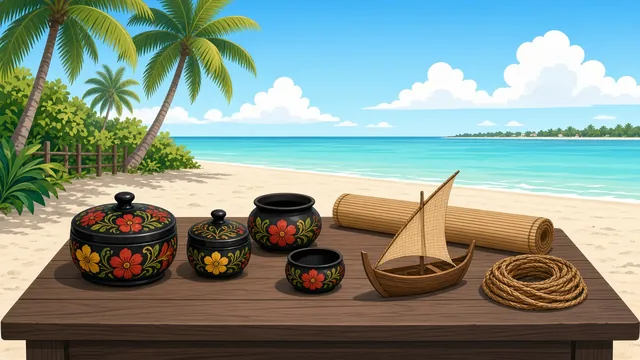
- Buy local crafts made in the Maldives. Our handicrafts guide shows what to look for.
- Try Maldivian food at the resort or on a local island visit.
- Join local island excursions led by Maldivian guides.
- Respect local customs when visiting inhabited islands.
Choosing a resort with care
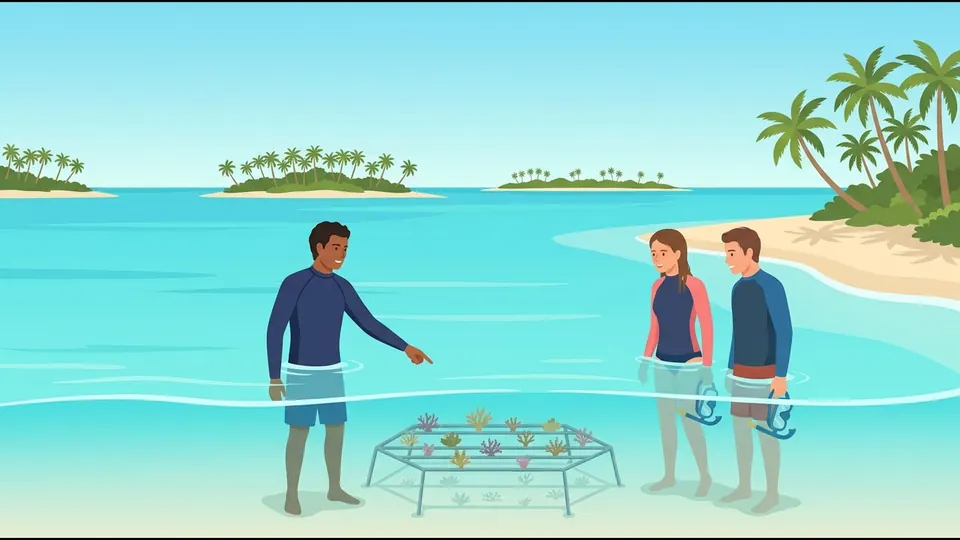
Many resorts now share what they do for the environment, such as reef programmes, marine biologists, solar power or plastic-free policies. If this matters to you, tell us when you enquire. We’ll suggest hand-picked resorts and ask them about their environmental work.
Frequently asked questions
What is the green tax in the Maldives?
It is a government charge added for each night of your stay, used for environmental projects. Resorts include it on your bill or quote.
What is reef-safe sunscreen?
It is sunscreen made to be gentler on coral. A long-sleeved top in the water also cuts the amount of sunscreen you need.
Can I take shells or coral home?
No. Taking coral, shells or sand is not allowed. Our customs guide explains the rules.
Are Maldives resorts eco-friendly?
Many resorts have reef programmes, solar power and plastic reduction. Practices vary, so ask us to check.
How can I help local communities?
Buy local crafts, try Maldivian food, join excursions with Maldivian guides and respect local customs.
Is drinking water safe at resorts?
Most resorts provide treated drinking water, often in refillable glass bottles. Ask the resort team if you are unsure.