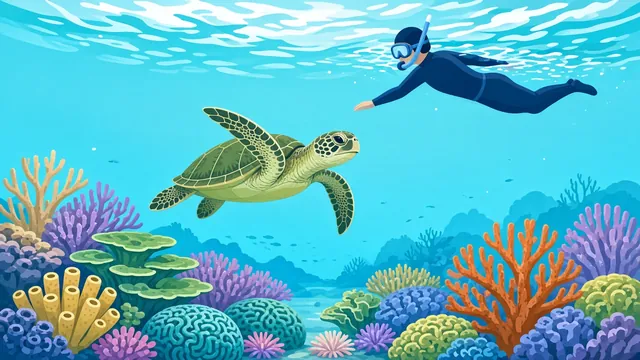
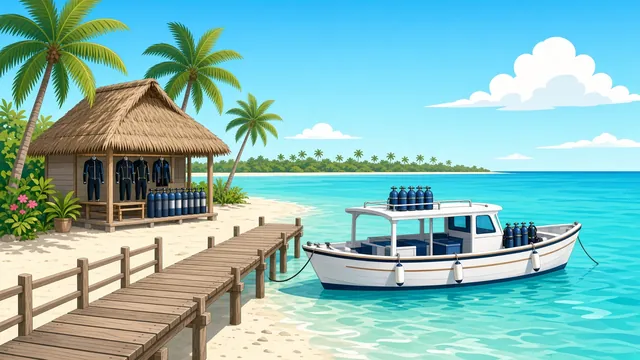
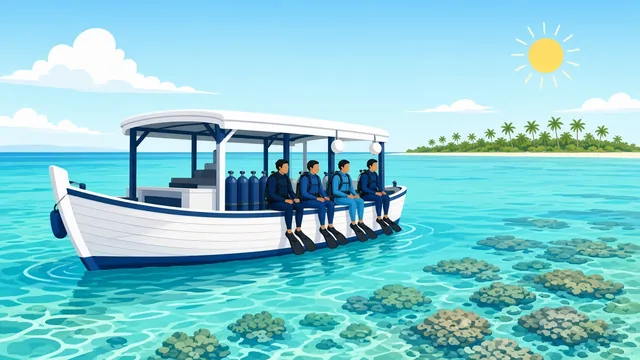
You don't need to be a diver to discover the underwater world of the Maldives. With warm, clear water and coral reefs close to shore, snorkelling here is easy, relaxing and endlessly rewarding. Many guests spend some of their best holiday moments floating over a reef just a few steps from their villa. This guide explains where to snorkel, how resorts help you get started and how to enjoy the reef while protecting it.
Why the Maldives is so good for snorkelling
The Maldives is built on coral. Every resort sits inside an atoll, surrounded by reefs and calm lagoons. The water is warm all year and often very clear, so you can see a great deal simply by floating at the surface.
Marine life is close to shore, too. Reef fish, turtles, rays and small reef sharks are regularly seen by snorkellers without needing a boat. You don't need any certification to snorkel, and resorts provide the equipment and guidance you need.
House reefs
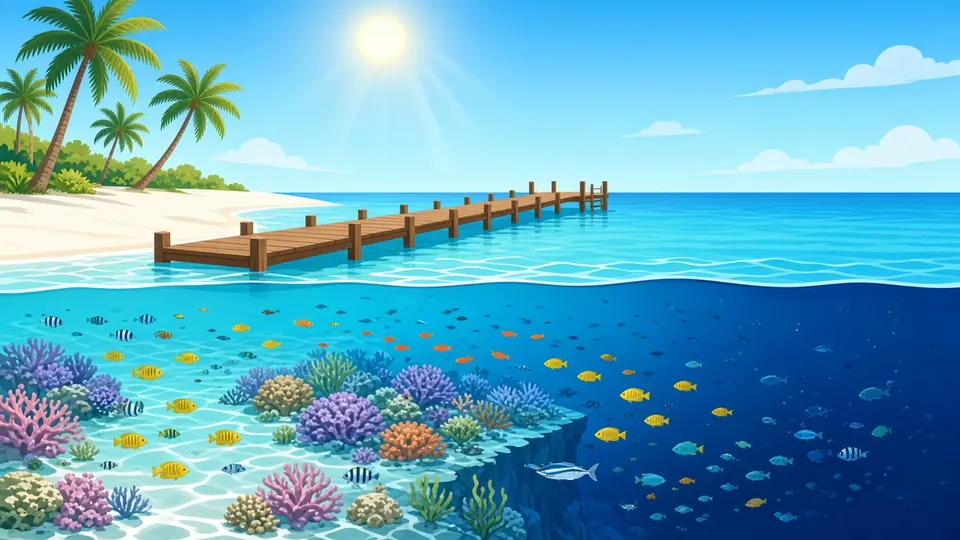
A house reef is the coral reef around a resort, reached directly from the beach, a jetty or the steps of a water villa. It usually starts with a shallow area of coral patches and then reaches a "drop-off", where the reef slopes or falls into deeper blue water.
The reef edge is often where the most life gathers: schools of fish, turtles and sometimes eagle rays or reef sharks. Not every resort has a house reef. Some sit on wide sandy lagoons without much coral nearby, and instead run regular snorkelling trips by boat to nearby reefs. House reefs also vary a lot from resort to resort. At some, the reef is a short swim from the beach; at others, it is further out or reached from a jetty. If snorkelling matters to you, tell us, and we'll suggest hand-picked resorts with easy access to a good house reef.
Lagoons
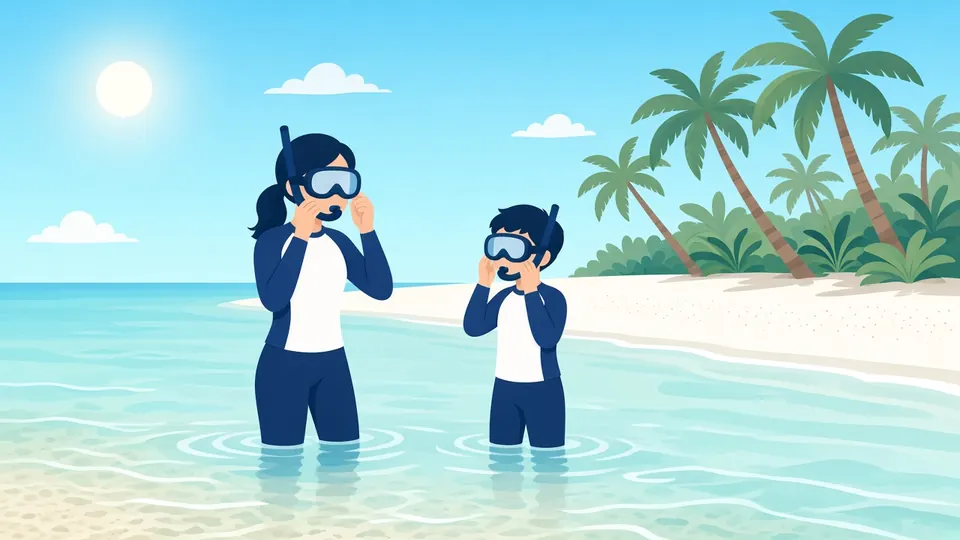
The lagoon is the shallow, sheltered water between the beach and the reef. It is usually calm, warm and sandy, with scattered coral patches.
Lagoons are perfect for first-timers, nervous swimmers and children. You can get used to the mask and snorkel in shallow water, and still see small fish, rays resting on the sand and, sometimes, small reef sharks. Once you feel comfortable, you can move on to the house reef.
Guided snorkelling
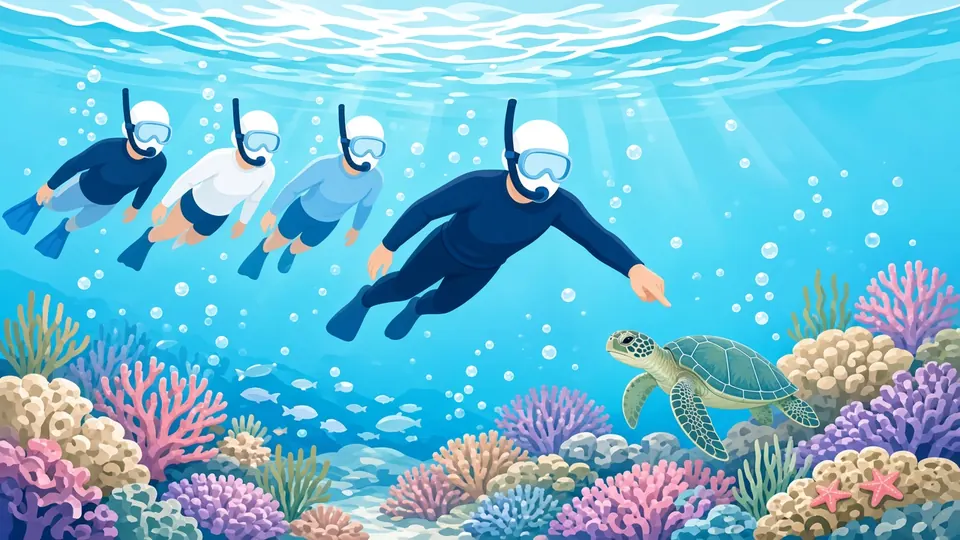
Most resorts offer guided snorkelling, usually through the water sports or dive centre. A guide will take you along the house reef, show you the best entry and exit points and point out animals you might otherwise miss.
A guided snorkel is the best way to start, especially on your first day. The guide knows the reef, the currents and where turtles like to rest. Some resorts also have marine biologists who lead snorkels and explain what you see.
Snorkel trips by boat
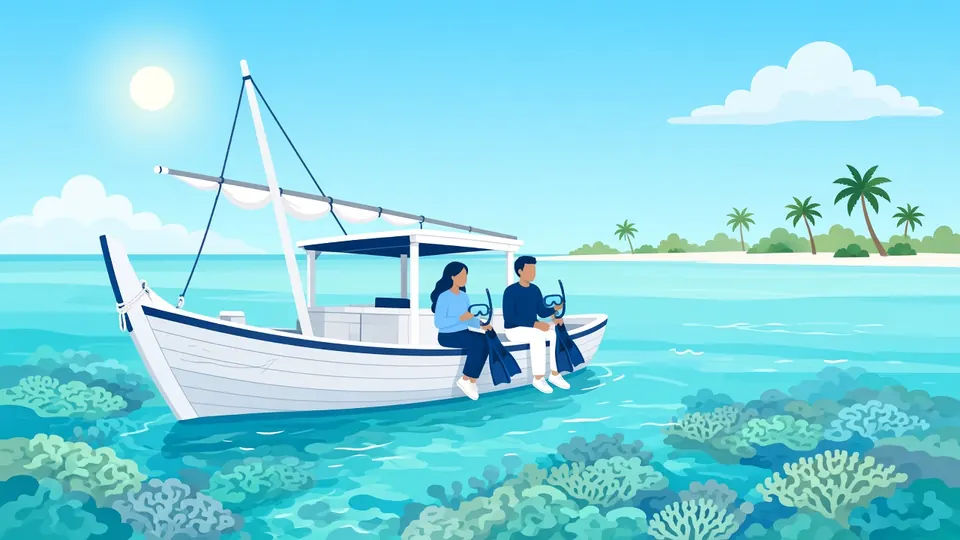
For something different, ask about snorkel excursions by boat. These take you to other reefs, channels or sandbanks, often with more coral variety and bigger animals.
Popular trips include manta ray snorkels, turtle reefs and, in some areas, whale shark excursions. The crew will choose the site based on the day's conditions and brief you before you get in. Remember that sightings of wild animals are never guaranteed.
Night snorkelling
Some resorts offer guided night snorkelling on the house reef, usually starting around sunset. With an underwater torch, you can see creatures that hide during the day, such as crabs, shrimps and other night-time reef life.
Night snorkelling should always be done with an experienced resort guide. Stay close to the guide and follow their instructions throughout.
Snorkelling with children
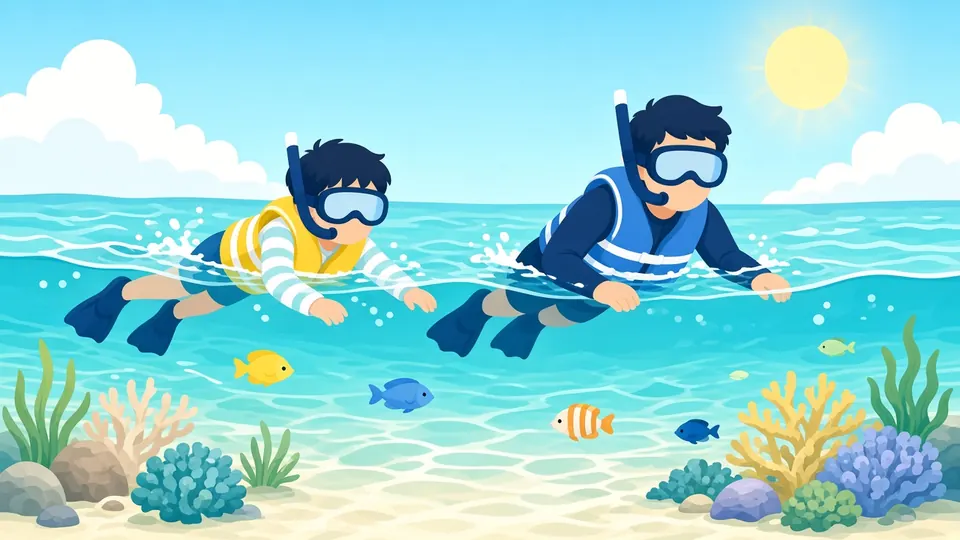
Children often love snorkelling, and the Maldives is a wonderful place to learn. Start in the shallow lagoon, where they can stand up whenever they like, and let them practise breathing through the snorkel before heading anywhere deeper.
Make sure their mask fits well, and ask the resort for a child-size life vest. Keep children within arm's reach in the water at all times, and ask the resort team which areas are best for young snorkellers.
Equipment
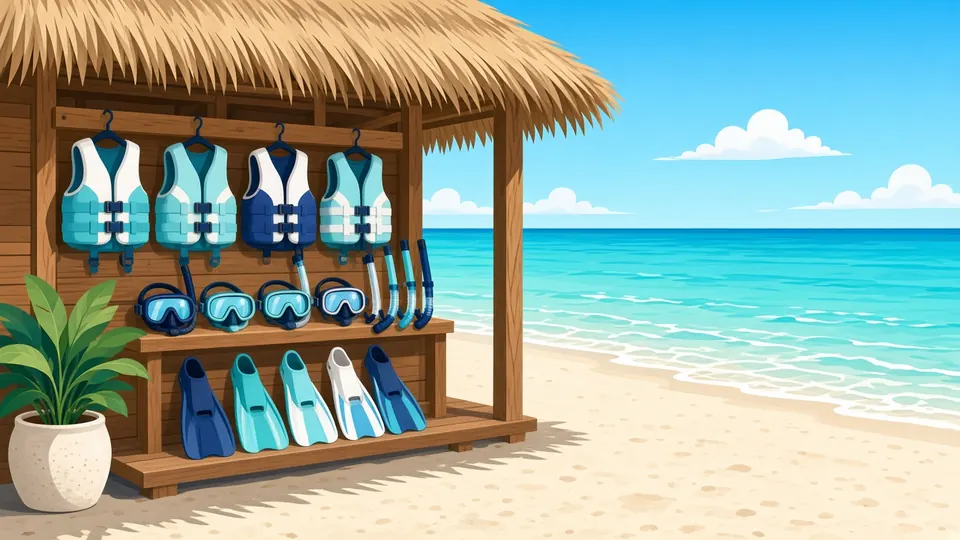
Resorts usually provide or rent masks, snorkels and fins, and many also offer life vests. Some guests prefer to bring their own mask, as a comfortable fit makes a big difference.
Useful extras include a long-sleeved top or rash vest for sun protection, reef-safe sunscreen, and a waterproof case or camera for photos. If you need prescription lenses, ask the resort whether they have corrective masks, or bring your own.
Conditions and briefings
Conditions on the reef change with the tide, wind and current. Before snorkelling, ask the resort team about the day's conditions, which areas to use and where to enter and exit the water.
Always follow the advice of the resort's water sports or dive team, stay within the areas they recommend and snorkel with a buddy rather than alone. Check the resort map for areas marked as no-snorkelling zones, and keep away from busy jetties where boats arrive and leave. If you are not a confident swimmer, wear a life vest.
What you might see
- Reef fish of every colour: parrotfish, butterflyfish, angelfish, clownfish and more
- Turtles feeding on the reef or rising to breathe
- Rays gliding over the sand
- Blacktip reef sharks, often small, in the shallows
- Moray eels, octopus and colourful corals
See our marine life guide to learn more about the animals of the Maldives.
Respecting the reef
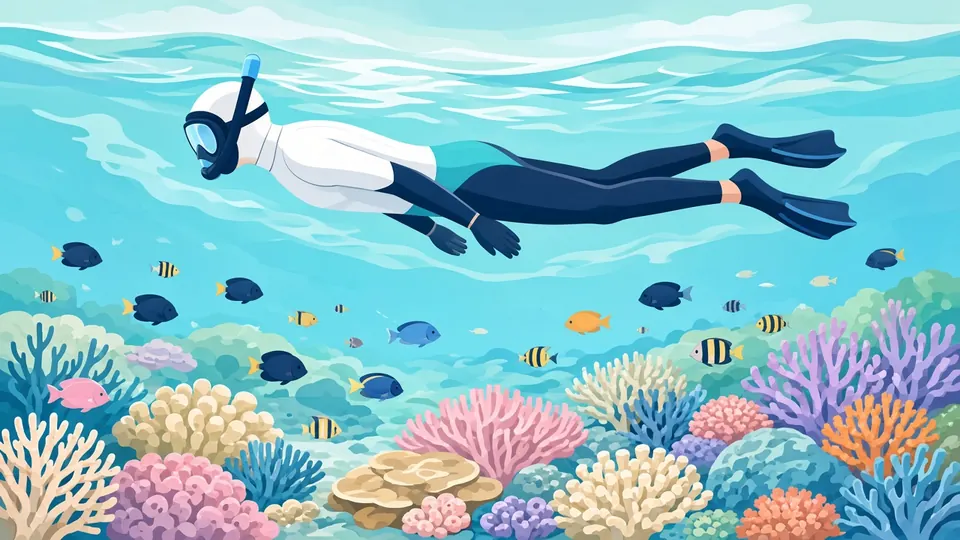
Coral reefs are living and fragile. A few simple habits help protect them:
- Never stand on, touch or kick the coral
- Keep your fins away from the reef
- Don't touch, chase or feed marine life
- Use reef-safe sunscreen
- Take nothing from the reef or beach
A healthy reef means better snorkelling for everyone, now and in the future.
Quick checklist
- Start with a guided snorkel on your first day
- Practise in the lagoon before the house reef
- Ask about the day's conditions and entry points
- Snorkel with a buddy
- Wear a life vest if you're not a confident swimmer
- Use reef-safe sunscreen and wear a long-sleeved top
- Never touch or stand on coral
Frequently asked questions
Do I need to be a strong swimmer to snorkel?
No, but you should be comfortable in the water. Lagoons are shallow and calm, and resorts can provide life vests for extra confidence.
What is a house reef?
A house reef is the coral reef around a resort, reached directly from the beach, a jetty or a water villa, without needing a boat.
Do resorts provide snorkelling equipment?
Most resorts provide or rent masks, snorkels and fins, and many offer life vests. Some guests prefer to bring their own mask.
Can children snorkel in the Maldives?
Yes. The shallow lagoons are a great place to learn. Keep children within arm's reach and ask the resort about child-size equipment.
Is guided snorkelling worth it?
Yes, especially at the start of your stay. A guide shows you the best spots, entry points and animals you might otherwise miss.
What will I see while snorkelling?
Colourful reef fish, corals, turtles, rays and small reef sharks are all commonly seen. Sightings vary from day to day.