Behind the lagoons and resorts lies a culture shaped by the sea. For centuries, Maldivians have lived on small islands scattered across the Indian Ocean, relying on fishing, boatbuilding and close community ties. Their music, crafts and way of life reflect influences from Africa, South Asia and Arabia, blended into something uniquely Maldivian. This guide introduces some of the traditions you may encounter, and simple ways to experience them during your holiday.
A culture shaped by the sea
In the Maldives, the sea has always been at the centre of life. It provides food, connects islands and has carried traders and travellers through the country for centuries.
Over time, these connections brought influences from South Asia, South-East Asia, the Arab world and East Africa, visible in the music, crafts and food. Yet island life has kept its own character, with strong family ties, respect for elders and a deep knowledge of the ocean passed down through generations.
Bodu beru: the big drum
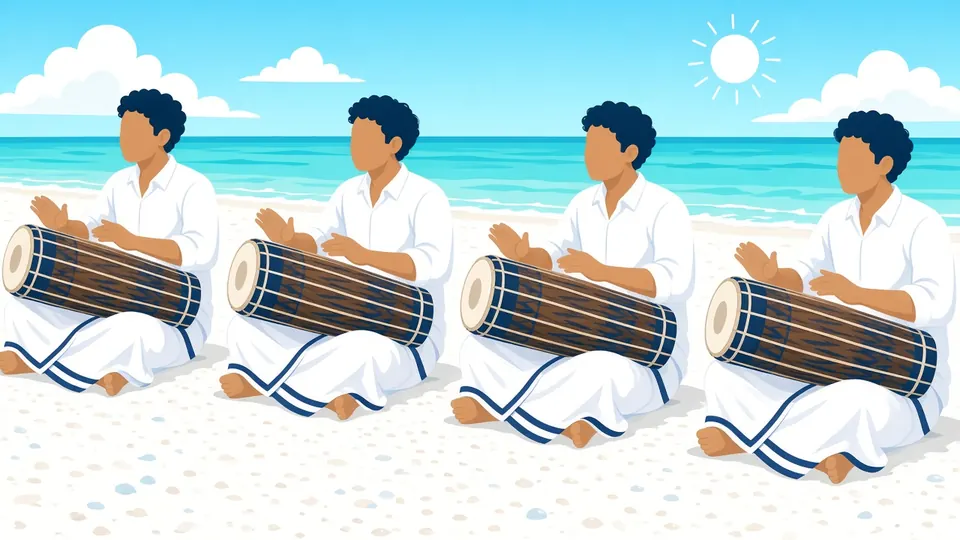
Bodu beru, meaning "big drum", is the best-known and most widely performed traditional music of the Maldives.
A troupe is traditionally made up of men: three drummers, a lead singer and a chorus of ten to fifteen. Songs usually begin slowly, then build in speed and energy until the dancers move with increasing intensity. Members of the audience are often drawn in to join the dance.
Bodu beru is said to have originated in East Africa, and it is enjoyed by young and old across the country. Many resorts host bodu beru evenings, a joyful way to experience Maldivian culture.
Other traditional dances
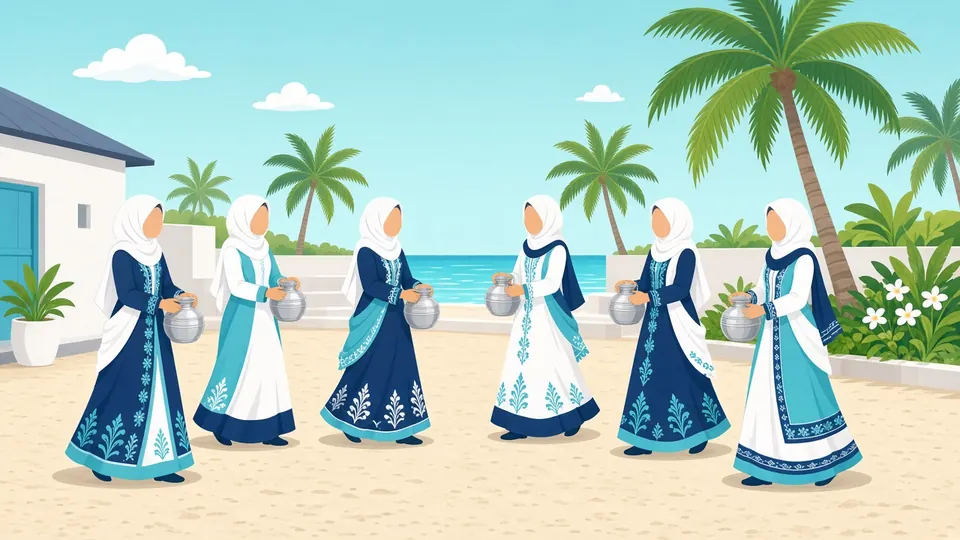
Bodu beru is not the only traditional performance. The Maldives has a range of dances, some performed by men and others by women, often with drums, sticks or other simple instruments.
Thaara, meaning tambourine, was introduced by Arab visitors in the 17th century and is performed by men seated in two facing rows. Bandiyaa jehun is danced by women, who tap out a beat on metal water pots, and is said to be an adaptation of an Indian pot dance. Bolimalaafath neshun comes from the old tradition of women presenting gifts to the sultan on special occasions.
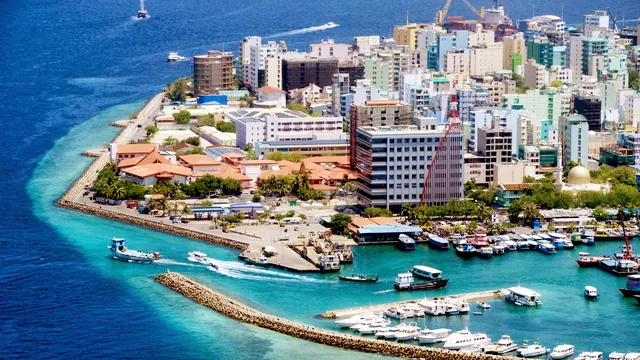
Gaa odi lava dates back to the 17th century, when a sultan had a breakwater built around Malé from coral stone. Each boat that delivered its stones visited the sultan with songs and dances, and the tradition continued as a way of celebrating the completion of major community work. Today, these dances are kept alive at celebrations and cultural events.
The dhoni and its builders
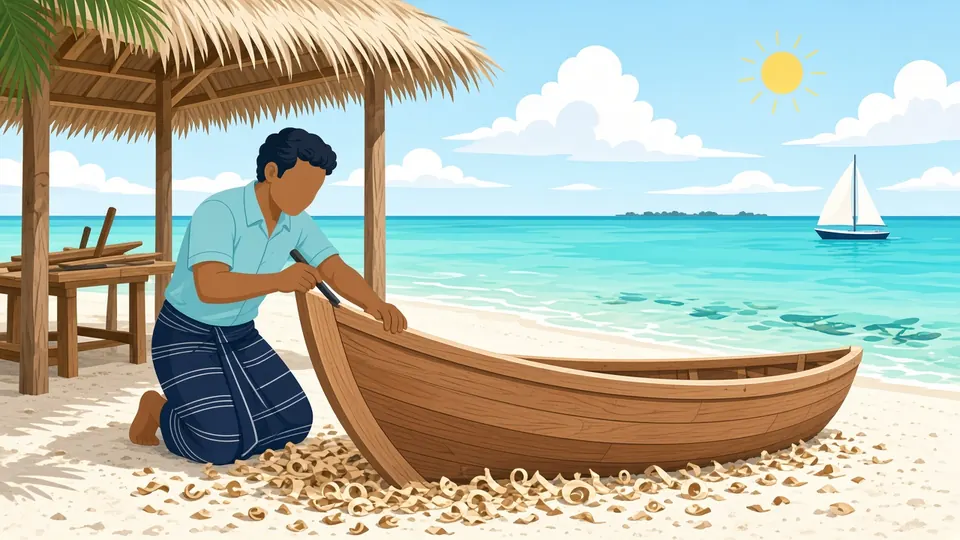
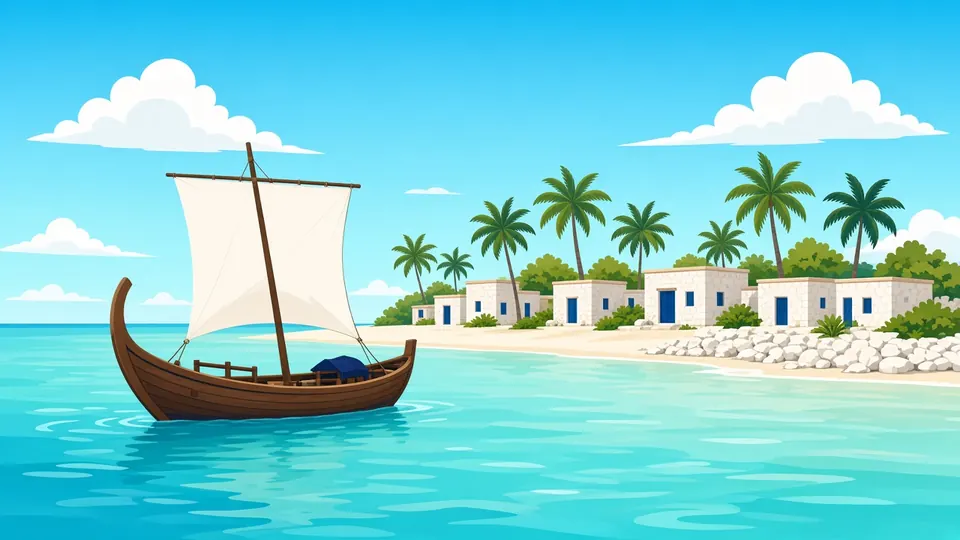
The dhoni is the traditional Maldivian boat, with a long, elegant curving prow. It has been central to island life for centuries, used for fishing, carrying goods and travelling between islands. The dhoni even appears on the national emblem.
Master boatbuilders, known as maavadi, traditionally built dhonis by eye, without written plans, using skills passed from generation to generation.
The way dhonis are built has changed over the centuries. In the 13th century, the planks were held together with coir rope; later came wooden pegs and then iron nails. The square sail made from coconut fronds gave way to a triangular sail, and today engines do most of the work. Yet the basic shape and style of the dhoni remain the same.
As a guest, you will likely travel on a dhoni yourself, on a snorkel trip, a sunset cruise or an excursion.
Fishing heritage
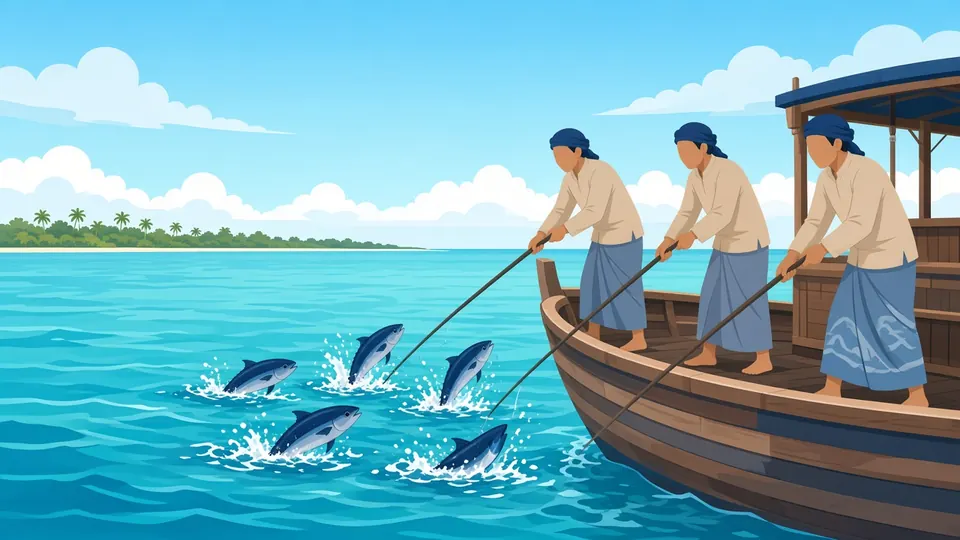
Fishing has long been the foundation of Maldivian life. Maldivian fishermen have traditionally caught skipjack and yellowfin tuna by pole and line, one fish at a time.
Fishing shaped the rhythm of island days: boats leaving at dawn, the catch arriving in the afternoon and families preparing fish together. It also shaped the cuisine. See our Maldivian food guide to learn more.
Language and script
The national language is Dhivehi. It is written in a script called Thaana, which runs from right to left, like Arabic. Thaana is unique to the Maldives: its first letters were based on numerals, and it replaced older Dhivehi scripts that ran from left to right.
You'll hear Dhivehi spoken among resort staff, and English is widely used with guests. Learning a few words is a friendly gesture:
- Assalaamu alaikum: hello
- Shukuriyaa: thank you
- Kihineh?: how are you?
Island life
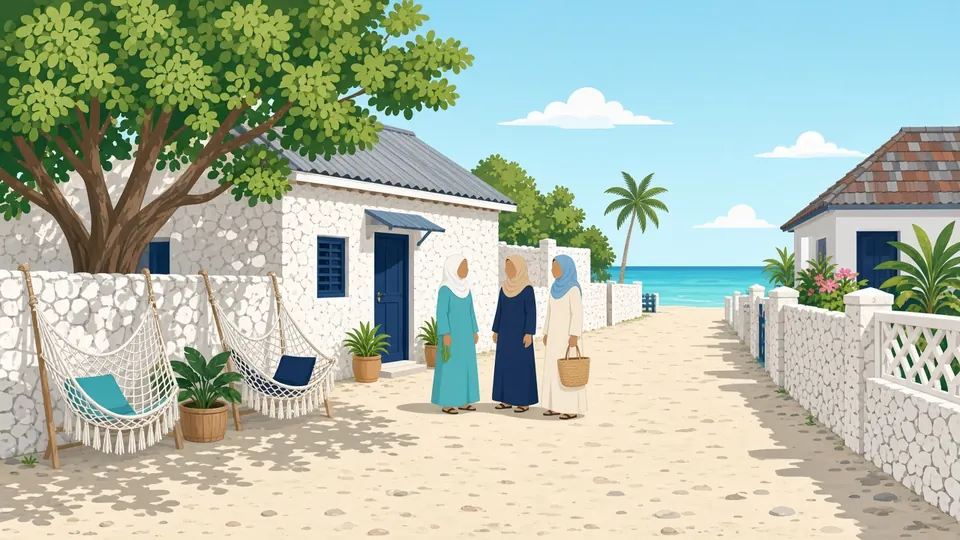
On inhabited islands, life is centred on the community. Homes are often built from coral stone or modern materials, with sandy streets and shady trees. Neighbours gather in the evenings to talk, and people relax on the joali, a traditional seat that is a cross between a chair and a hammock, with a woven rope seat on a wooden or metal frame. Joali were once made entirely from the coconut palm, with the seat woven from coir rope, and they are still found outside homes and in public spaces.
Islands are close-knit, and celebrations, weddings and community events bring everyone together. The pace of life is gentle, shaped by the sea, the sun and the tides.
Crafts and skills
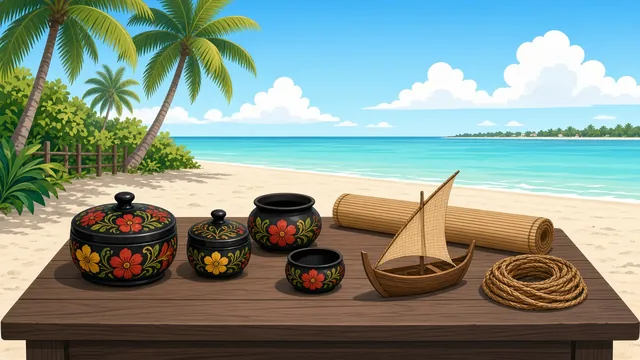
Traditional crafts are another link to the past. These include lacquerwork (liyelaa jehun), with wooden pieces lacquered in red, black and yellow; reed mat weaving, traditionally done by women, with the finest mats known as thundu kunaa; and coir rope made from coconut husk, once one of the country's most famous exports. Many of these skills are still practised today, and some resort shops and local islands offer handmade pieces.
See our handicrafts and souvenirs guide for more.
Experiencing culture on holiday
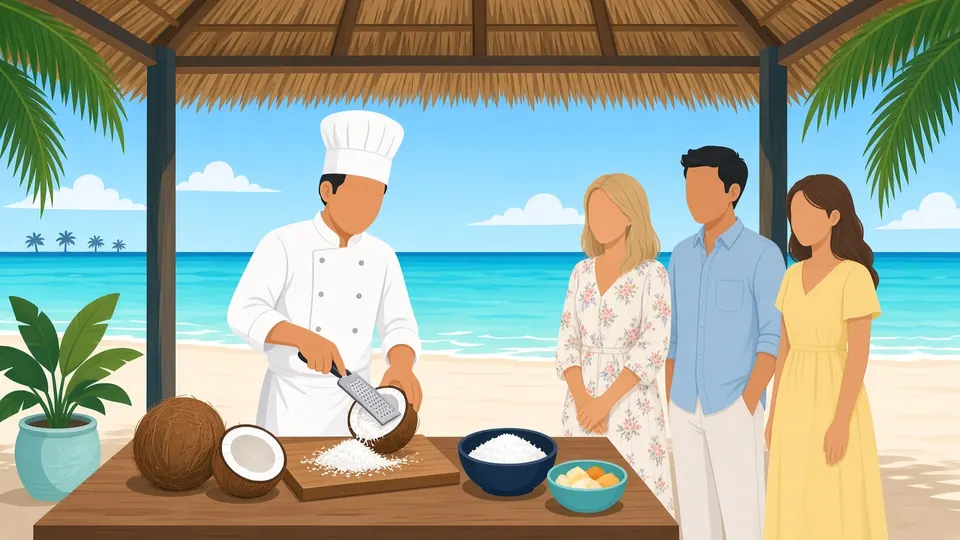
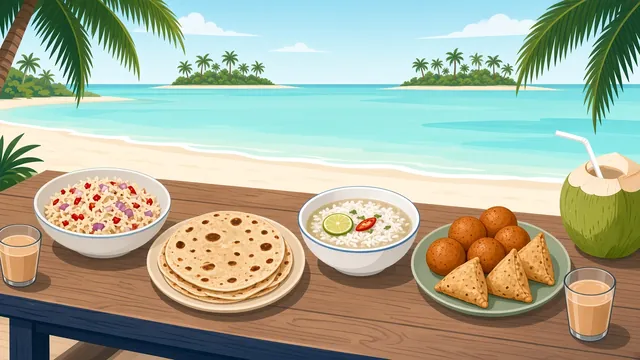
You can enjoy Maldivian culture without leaving your resort. Look out for bodu beru evenings, Maldivian dishes at breakfast or themed dinners, and cooking classes. Many resorts also have Maldivian staff happy to talk about their islands and traditions.
Some resorts offer excursions to nearby inhabited islands, where you can see daily life, local cafés and crafts. Ask the resort team what is available, and they will help you plan a visit that suits you.
Quick checklist
- Look out for a bodu beru evening at your resort
- Take a trip on a traditional dhoni
- Try Maldivian dishes at breakfast or a themed dinner
- Learn a few words of Dhivehi
- Ask your resort about local island excursions
- Chat with Maldivian staff about their islands and traditions
Frequently asked questions
What is bodu beru?
Bodu beru is the best-known traditional music and dance of the Maldives, performed by three drummers, a lead singer and a chorus. The rhythm builds to an energetic finale.
What language is spoken in the Maldives?
The national language is Dhivehi, written in the Thaana script from right to left. English is widely spoken with guests at resorts.
What is a dhoni?
A dhoni is the traditional Maldivian boat, with a long curving prow, built by master boatbuilders known as maavadi. It has been used for fishing and travel for centuries, and guests often travel on one during excursions.
Can I see Maldivian culture at my resort?
Yes. Many resorts host bodu beru evenings, serve Maldivian food and offer cooking classes or cultural activities.
Can I visit a local island?
Some resorts offer excursions to nearby inhabited islands. Ask the resort team what is available.
What is a joali?
A joali is a traditional Maldivian seat, a cross between a chair and a hammock, often found outside homes and in public spaces where people relax and chat.