The best souvenir from the Maldives is one that carries a little of the islands' story. For centuries, Maldivians have made beautiful, useful things from what the islands and the sea provide: wood, reeds, coconut palms and fish. This guide explains the traditional crafts, the local food gifts worth packing, how to tell local-made pieces from imported ones, and the few things you must leave behind.
A craft heritage shaped by the islands
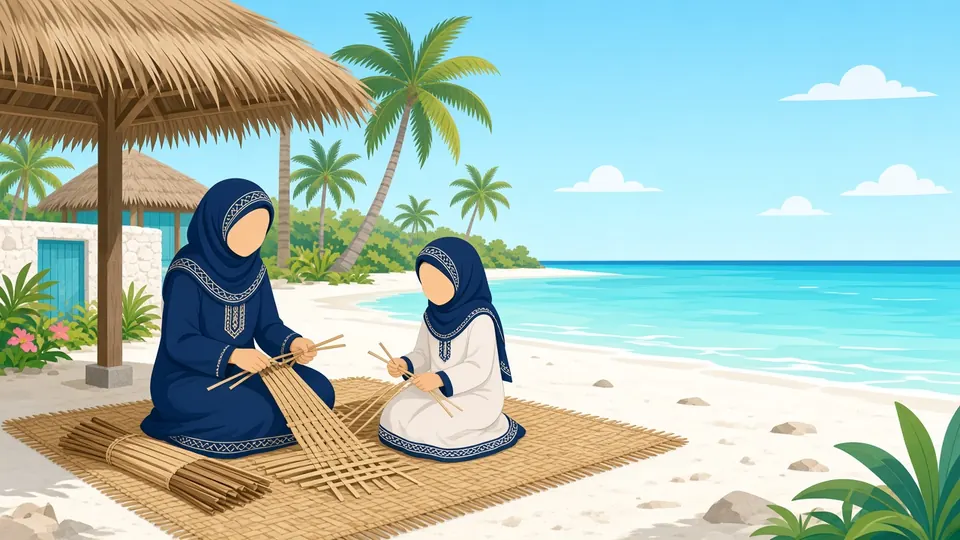
Traditional Maldivian crafts grew out of everyday island life. Mats were woven for sleeping, sitting and praying; coconut fibre was twisted into rope for boats; wood was turned into boxes and containers for the home. Many crafts became linked to particular islands, where skills were passed from parent to child. Today, buying a handmade piece is a simple way to support the families who keep these skills alive.
Lacquerwork (liyelaa jehun)
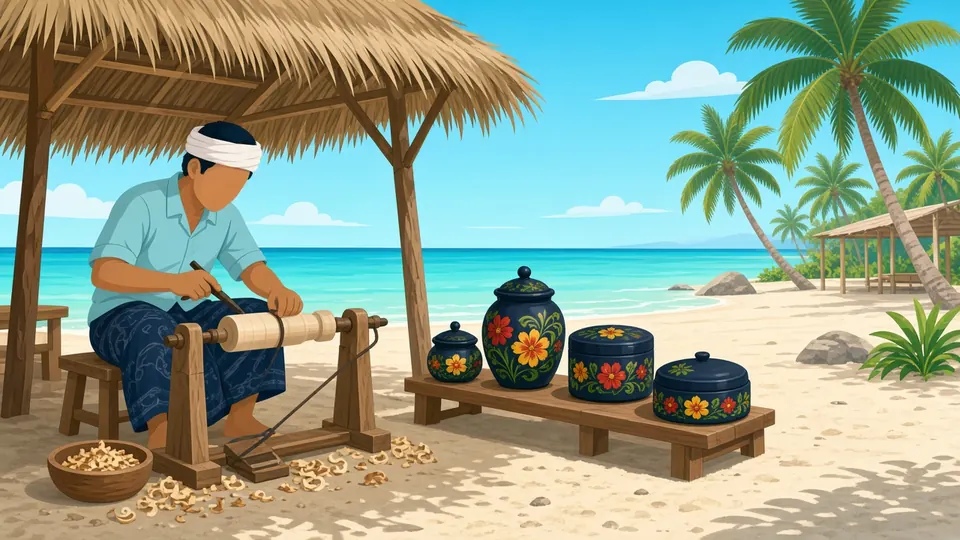
Lacquerwork is one of the most admired Maldivian crafts. It is known as liyelaa jehun: liyun means shaping the wood, and laa jehun means decorating it with lacquer. Historically, the island of Thulhaadhoo has been known for the finest pieces, and the craft has been handed down there for generations.
The wood, often from the local funa tree, is first turned on a lathe and carved into shape. Layers of coloured lacquer are then applied, and the craftsman scratches patterns through the top layer to reveal the colours beneath. The result is usually flowing floral designs in red, yellow and green on a black background. Typical pieces include small lidded boxes, bowls, vases and trinket pots. The same art can be seen on the carved columns of some of the oldest mosques in the country.
Woven mats (thundu kunaa)
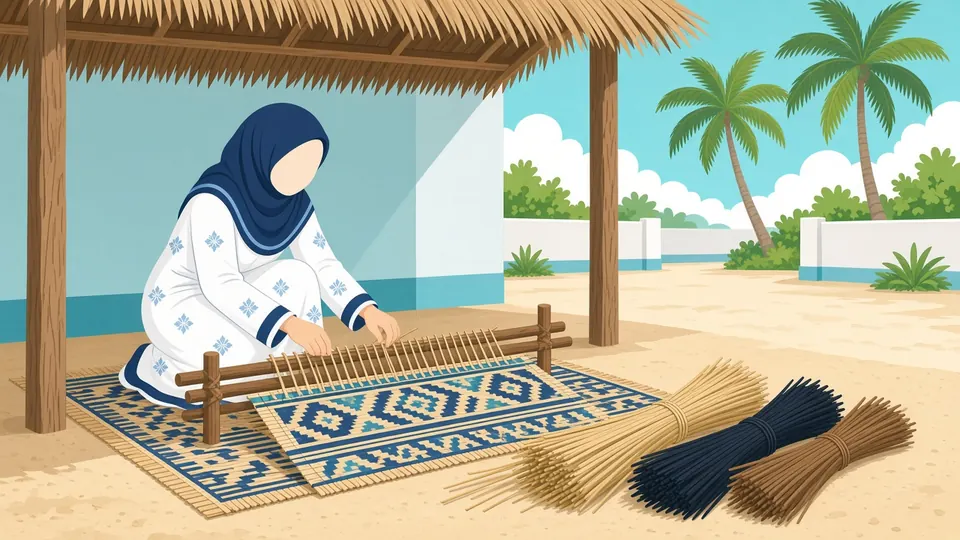
Thundu kunaa is a finely woven reed mat, and it is one of the most treasured Maldivian crafts. Traditionally, the women of Gadhdhoo, in the south of the country, have been especially known for it, and the mats are sometimes called Gadhdhoo kunaa. In the past, the finest mats, trimmed with gold lace, were given by the Sultans of the Maldives as royal gifts to foreign visitors.
The mats are made from a local reed called haa, which is picked, sun-dried and dyed with roots, leaves and bark. The traditional colours are natural, yellow, brown and black, and turmeric is used for the yellow. Weavers work on a large wooden loom, using thread made from the bark of the sea hibiscus tree. The symmetrical patterns are handed down through generations, with each weaver adding small touches of her own. A small mat or a framed piece makes a lovely, light souvenir.
Coir rope (roanu)
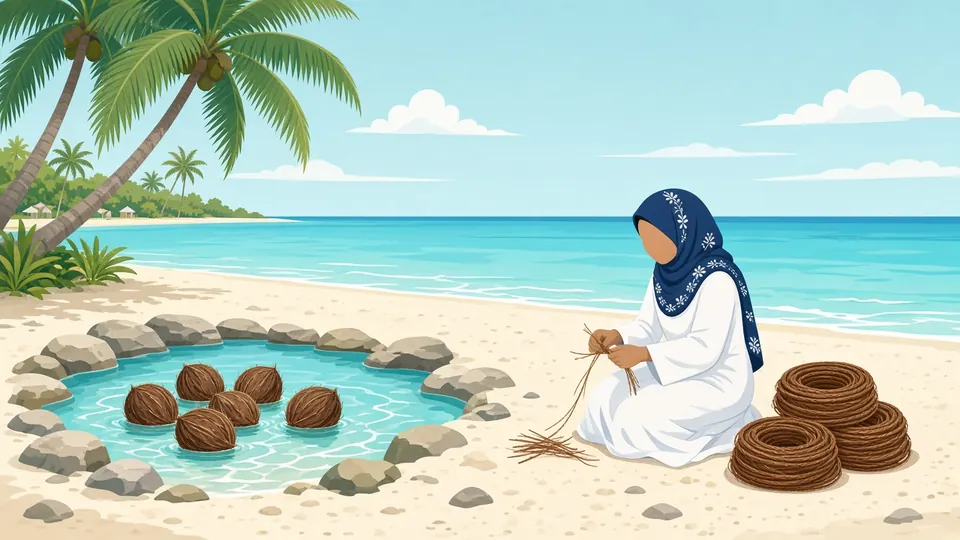
Coconut palms were once at the heart of island life, and roanu, rope twisted from coconut husk fibre, was used to build and rig the traditional dhoni boats and to tie together homes. Making roanu was a common daily task, often done by women, and the husks were soaked, beaten and rolled into strong, rough cord. Today you may find coir rope, small coir mats or decorative pieces made with it. It is a humble craft, but a very authentic one.
Dhoni models and wood carving
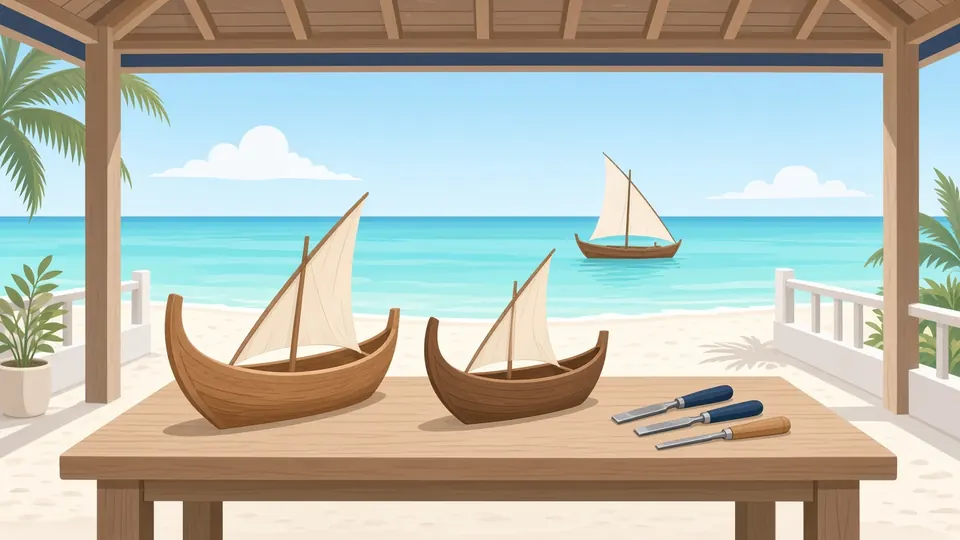
The dhoni is the traditional Maldivian boat, with its high, curved prow, and it is still used across the country for fishing and transport. Hand-carved wooden dhoni models, from small shelf pieces to detailed larger models, are among the most popular souvenirs. Good ones show careful shaping of the hull and prow, and some come with tiny sails and fittings.
You may also find other carved wooden pieces, such as small boxes, bowls and decorative figures. Choose ones made from wood rather than shell or coral.
Embroidery and traditional textiles
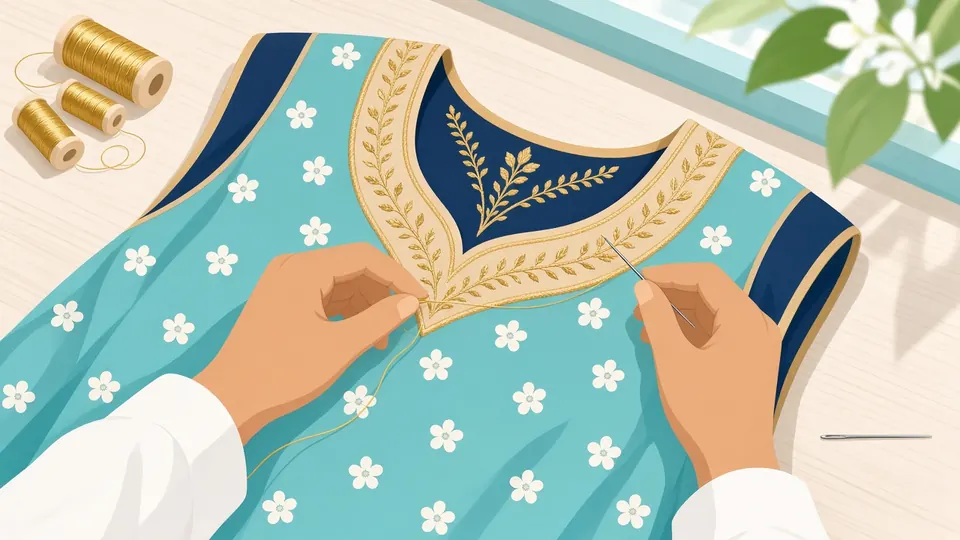
The traditional Maldivian dress for women, the libaas, is known for its fine embroidery around the neckline, called kasabu boavalhu, worked in gold and silver thread. This careful handwork is a skill associated especially with Maldivian women, and smaller embroidered items or pieces inspired by these patterns can make a meaningful gift. Woven textiles and cushion covers using traditional motifs are also sometimes available.
Carving heritage you can see, not buy
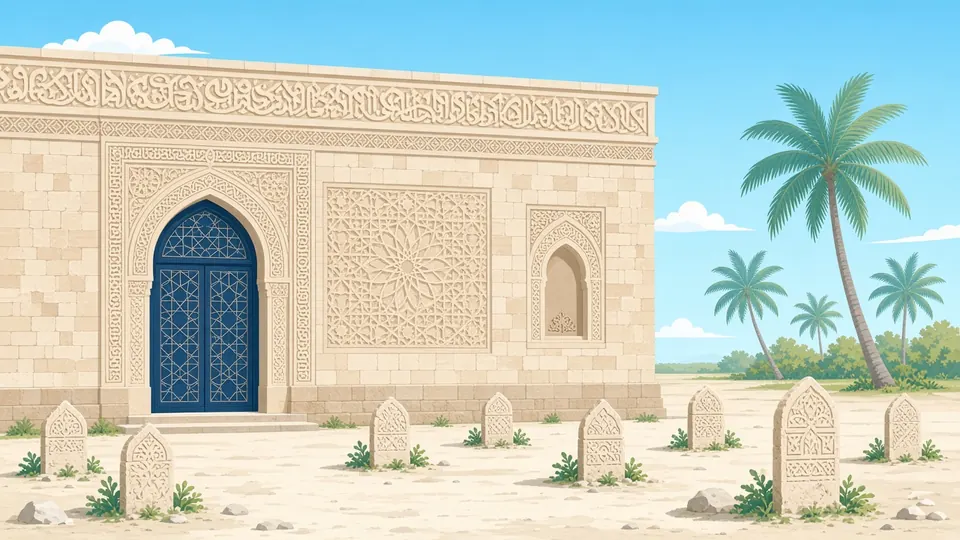
The Maldives has a long tradition of fine coral-stone carving and calligraphy. Old mosques and tombstones were built from carefully cut coral stone and decorated with elegant carved patterns and Arabic and Dhivehi script. This is part of the country's history, and it is best enjoyed by seeing it in place, for example at historic mosques or in museums. Coral-stone pieces are not something to buy or take home.
Local food souvenirs
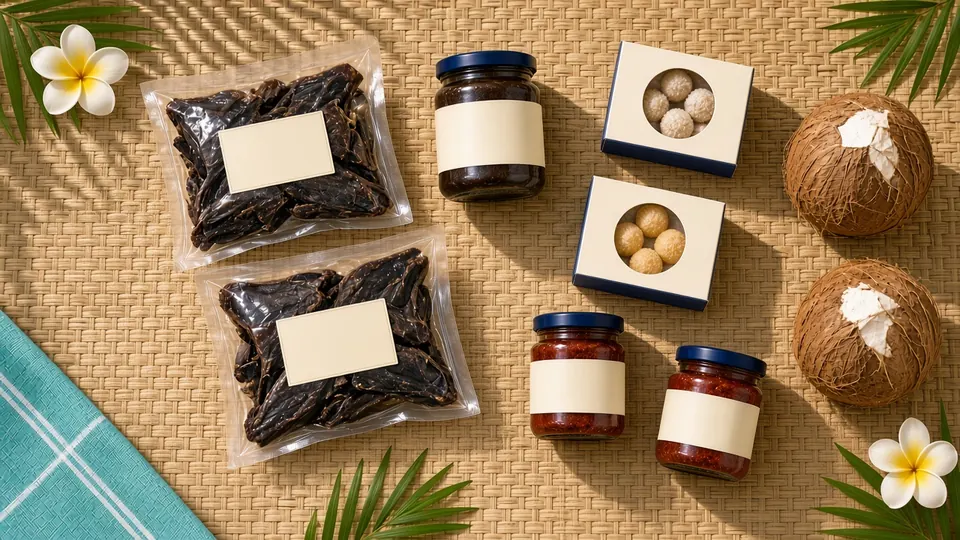
Some of the most loved Maldivian souvenirs are things to eat.
- Valhoamas (Maldive fish): tuna that is boiled, smoked and sun-dried until very hard. It is a key flavour in Maldivian cooking and keeps well when sealed.
- Rihaakuru: a thick, rich tuna paste made by slowly cooking down tuna broth. It is very strongly flavoured and loved locally.
- Tuna products: sealed packs or tins of Maldivian tuna, often caught by pole-and-line fishing.
- Coconut sweets: traditional sweets made with coconut and sugar, such as huni hakuru, are sometimes sold packed for travellers.
- Local chilli and spice mixes: small jars or packets used in Maldivian cooking.
Buy food in sealed, labelled packaging, and check your home country's rules on bringing in fish and food products, as some countries restrict them.
Finding authentic local crafts
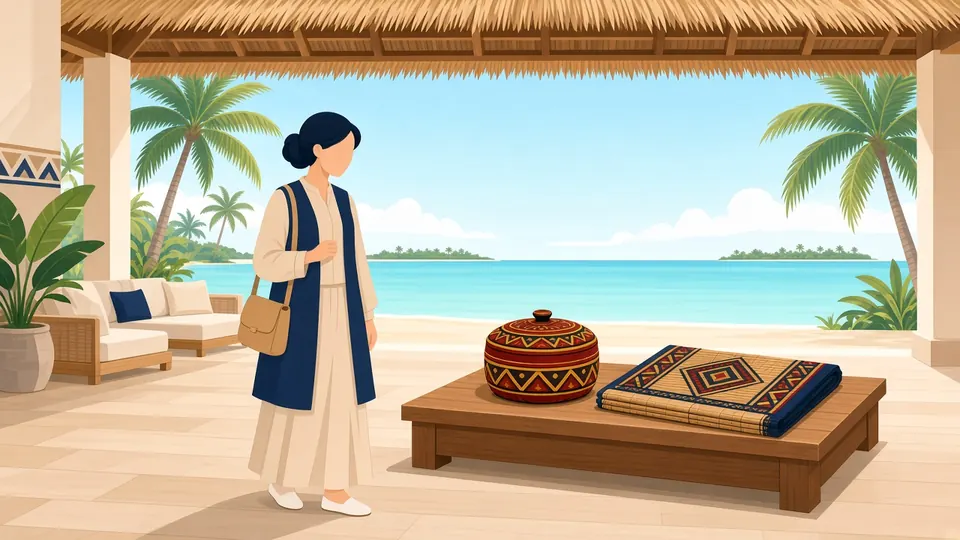
On arrival, ask your resort team or local guides where to find authentic local crafts. They know the area well and can point you to genuine, locally made pieces.
How to spot local-made pieces
Not every souvenir sold in the Maldives was made here. Many T-shirts, magnets, keyrings and shell trinkets are imported. A few simple tips help:
- Ask the seller where and by whom the piece was made. Sellers of genuine local crafts are usually proud to tell you.
- Look for small differences. Handmade lacquerwork and mats show slight variations in pattern and finish; identical pieces in large piles are more likely factory-made.
- Check the materials. Real lacquerwork has layered colours you can see in the carved lines. Real thundu kunaa is made of natural reed, not plastic.
- Read the label. Packed food and products made in the Maldives usually say so.
- Expect handmade to cost more. Real craft takes days or weeks of work.
What not to take home
The Maldives protects its reefs and marine life, and some items cannot be taken out of the country. Under Maldives customs and departure rules, you may not export the following without a valid permit:
- Coral of any kind, including black coral, and items made from it
- Turtles, turtle shell and anything made from turtle shell
- Triton shells, conch shells, giant clams and pearl oysters
- Lobsters, and shark or shark fin products
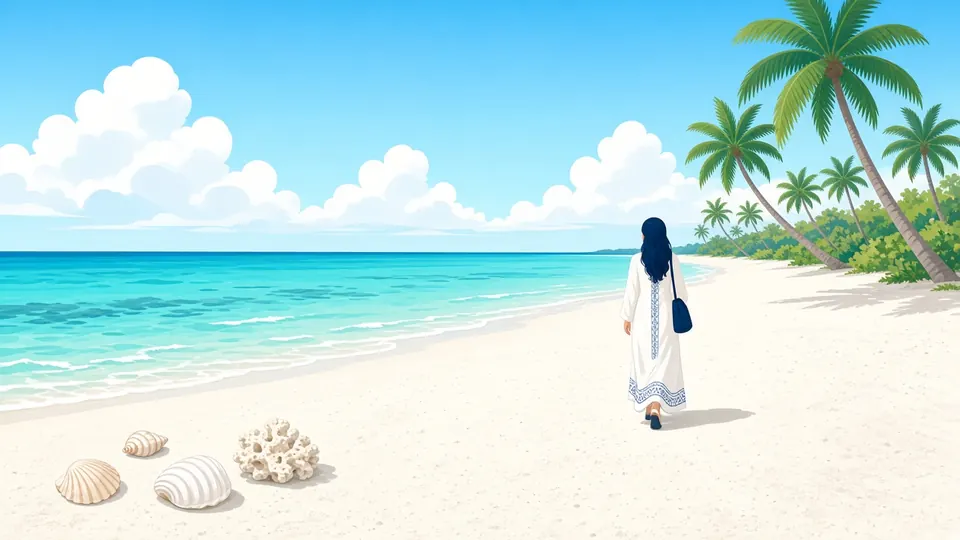
Bags are checked by customs when you leave. The simplest rule is: if it came from the reef or the sea, apart from sealed food products, leave it there. This includes shells and pieces of coral you find on the beach, which are part of the island's natural life. Beach sand also belongs to the island and is best left where it is. Many countries also restrict bringing in coral and turtle products, so a souvenir like this could cause problems at home too.
Quick checklist
- Choose crafts made in the Maldives: lacquerwork, thundu kunaa, coir, dhoni models
- On arrival, ask the resort team or local guides about authentic local crafts
- Ask the seller where the piece was made
- Buy food souvenirs sealed and labelled
- Check your home country's rules on fish and food imports
- Pack lacquerwork and models carefully, wrapped in clothes
- Leave all coral, shells, turtle shell and sand behind
- Keep receipts for larger purchases
Frequently asked questions
What is the most traditional Maldivian souvenir?
Lacquerwork boxes and thundu kunaa woven mats are two of the most traditional crafts, and wooden dhoni models are among the most popular.
Can I take shells home from the beach?
It is best not to. Several shells, including conch and Triton shells, are banned from export, and shells and coral are part of the reef's natural life. Please leave them on the beach.
Can I take valhoamas or rihaakuru home?
Yes, these are popular food souvenirs. Buy them sealed and labelled, and check your own country's rules on bringing in fish products.
How do I find authentic local crafts?
On arrival, ask your resort team or local guides. They can point you to genuine, locally made pieces.
How can I tell if a souvenir was made in the Maldives?
Ask the seller, look for small handmade variations, and check labels. Many mass-produced trinkets are imported.
Is black coral jewellery allowed?
No. Black coral and its products cannot be exported from the Maldives, and many countries also restrict bringing them in.
Glossary
- Liyelaa jehun: Maldivian lacquerwork; liyun is shaping the wood, laa jehun is applying lacquer
- Funa: a local tree whose wood is often used for lacquerwork
- Thundu kunaa: a fine, hand-woven reed mat
- Haa: the reed used to weave thundu kunaa
- Roanu: rope made from coconut husk fibre (coir)
- Dhoni: the traditional Maldivian boat
- Libaas: the traditional Maldivian dress for women
- Kasabu boavalhu: gold and silver thread embroidery around the libaas neckline
- Valhoamas: smoked, sun-dried tuna (Maldive fish)
- Rihaakuru: a thick tuna paste
- Huni hakuru: a sweet made with coconut and sugar