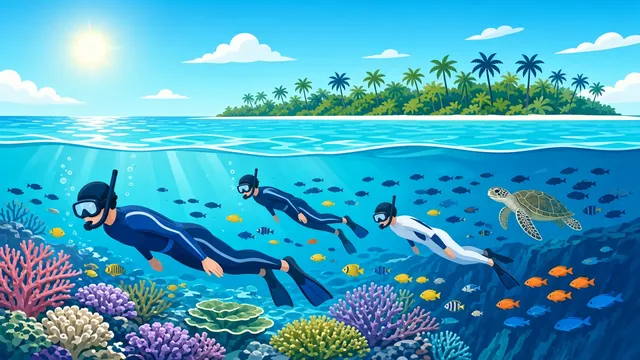
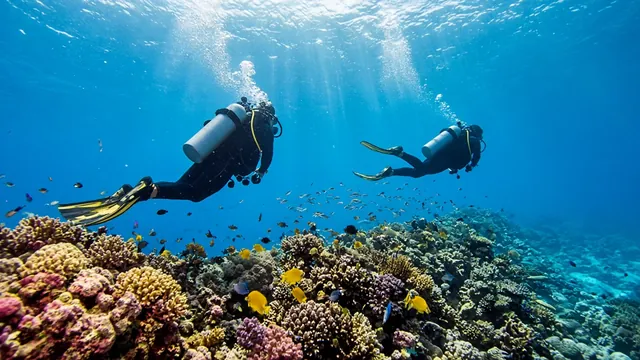
Under the turquoise water of the Maldives lies one of the richest marine worlds on the planet. Reefs ring every atoll, and they are home to turtles, manta rays, sharks, dolphins and countless colourful fish. Many guests meet these animals without ever leaving their resort, simply by snorkelling over the house reef. This guide introduces the animals you are most likely to see, and the simple ways to watch them that keep both you and them comfortable.
A world built on coral
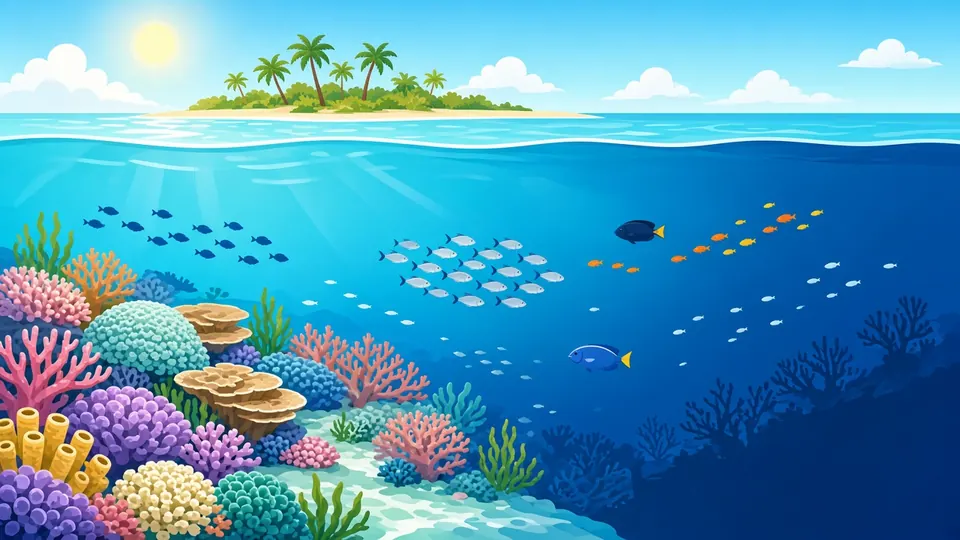
The Maldives is made of coral. Each atoll is a ring of reefs and sandy islands, with calm lagoons inside and deep ocean outside. Government studies record more than 280 species of reef-building coral and well over a thousand species of fish in Maldivian waters, along with sharks, rays, turtles, dolphins and whales.
The reef is the heart of it all. Corals provide shelter and food, small fish attract bigger ones, and channels between reefs bring in nutrient-rich water from the open ocean. That is why so much life can be seen close to the surface, often just a short swim from the beach.
Sea turtles
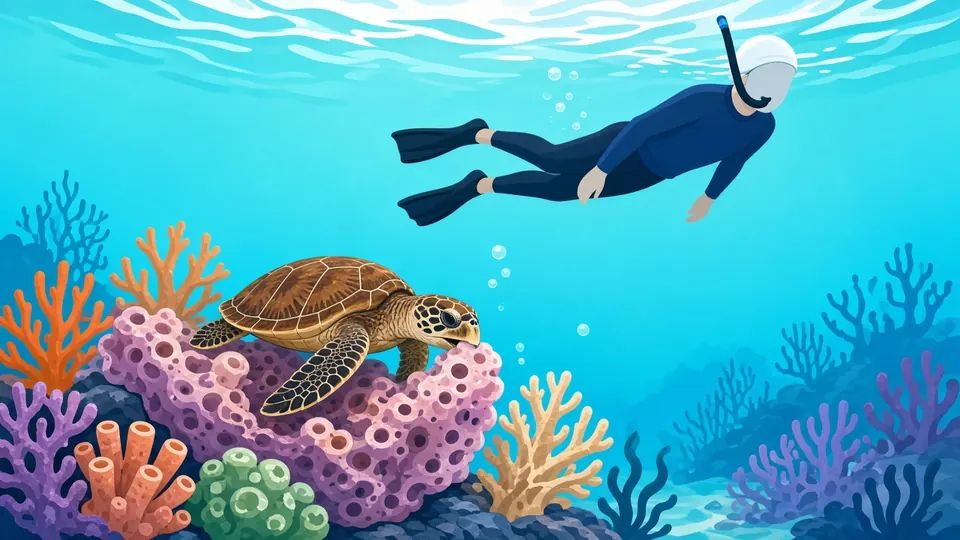
Turtles are among the most loved sights in the Maldives, and five of the world's seven turtle species are found here. The two you are most likely to meet are the green turtle, which grazes on seagrass and algae, and the hawksbill turtle, recognised by its pointed beak and patterned shell, which feeds on sponges along the reef.
Turtles often rest on the reef or rise slowly to the surface to breathe. Snorkellers on house reefs see them regularly, and resort guides usually know their favourite spots.
Turtles are protected in the Maldives. Give them plenty of space, never touch or chase them, and don't crowd a turtle as it rises, so it can breathe without being frightened. A turtle that is left in peace will often carry on feeding while you watch.
Manta rays
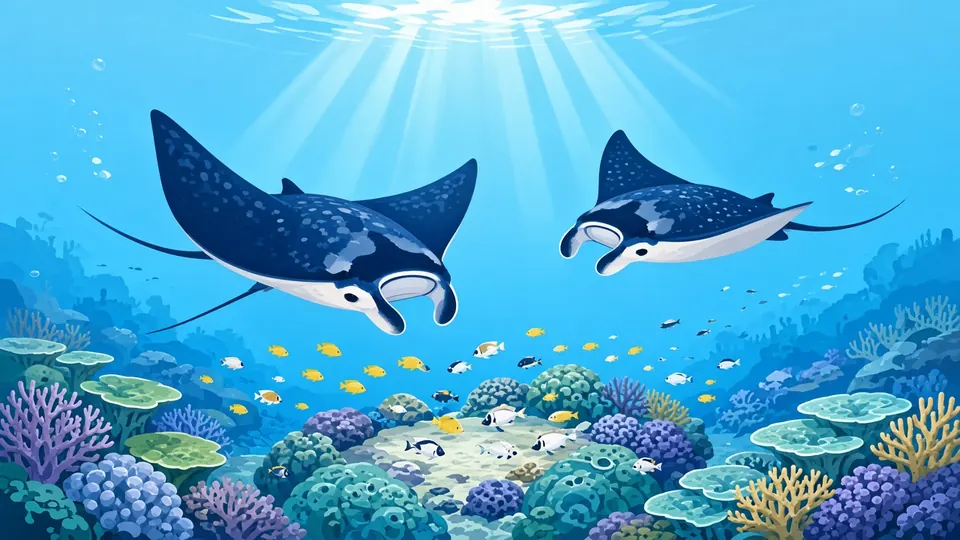
Manta rays are one of the great highlights of the Maldives, and Maldivian waters are home to a globally significant population of reef manta rays. With their wide, graceful "wings", they seem to fly through the water.
Mantas visit cleaning stations, coral areas where small fish clean their skin, and gather in plankton-rich water to feed. Many resorts run manta snorkelling or diving trips, and guides choose sites based on where mantas have recently been seen.
The Manta Trust, a research charity working in the Maldives, has a code of conduct for watching mantas. The key points are simple: enter the water quietly, keep your fins below the surface, stay still and let the manta come to you, and stay to the side of a cleaning station rather than swimming over it. Never chase or touch a manta, and never block its path. Your guide will brief you before you get in.
Whale sharks
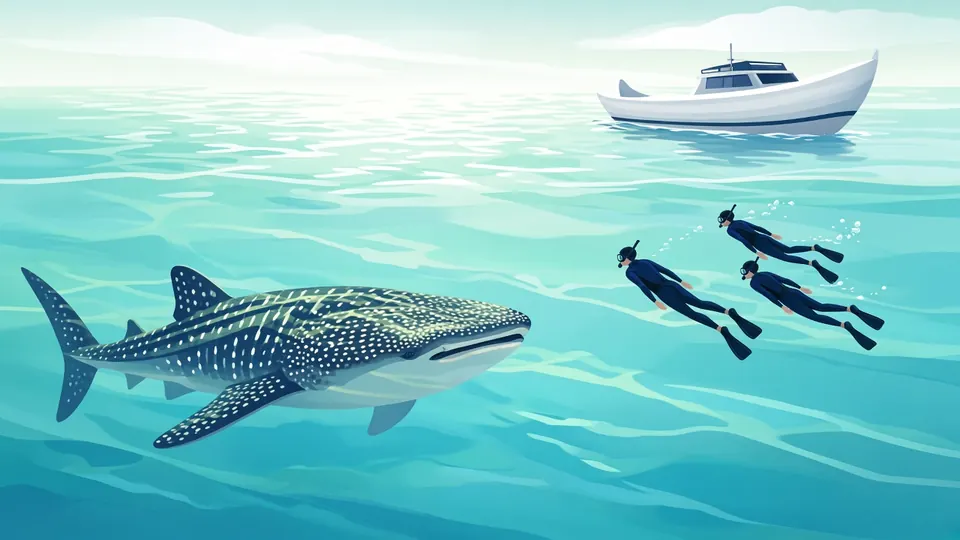
The whale shark is the largest fish in the sea, and also one of the gentlest. It feeds on plankton and small fish, swimming slowly with its huge mouth open. Its skin is covered in a pattern of pale spots, unique to each animal.
Whale sharks can be seen in Maldivian waters all year, and some areas are known for regular sightings. Most encounters happen while snorkelling on organised excursions.
The Maldives has national rules for whale shark encounters. Swimmers must keep a set distance from the body and the tail, approach calmly and stay to the side rather than in front, and must not touch, hold on to or feed the shark. Flash photography, selfie sticks and bright lights are not allowed, and only a limited number of boats may approach at once. Your guide will explain everything on the boat.
Reef sharks
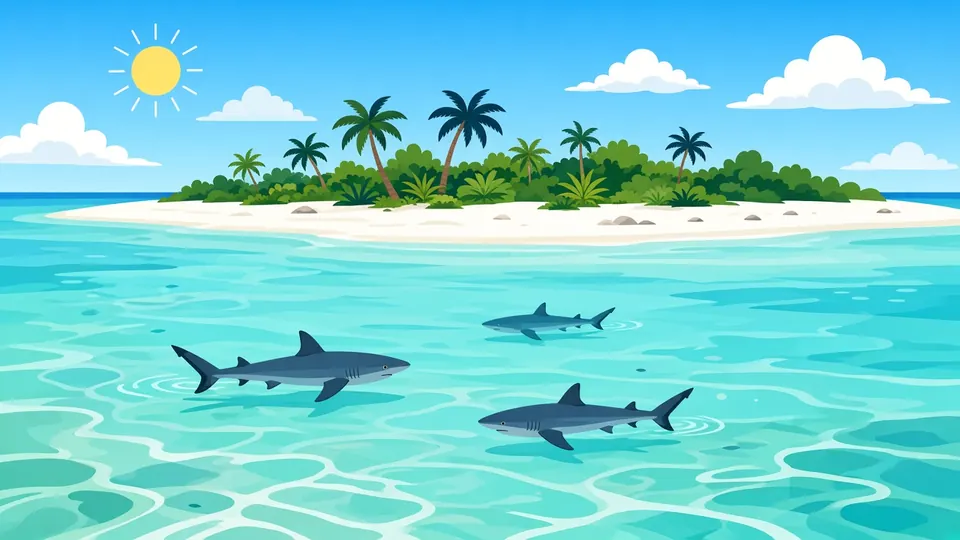
Seeing a shark can feel exciting the first time, but the sharks you are likely to meet in the Maldives are reef sharks that are wary of people. Blacktip reef sharks often patrol shallow lagoons, sometimes close to the beach, while whitetip reef sharks rest on the sand or under ledges. Grey reef sharks are more often seen in channels by divers.
Shark fishing has been banned throughout Maldivian waters since 2010, and healthy shark numbers are a sign of a healthy reef. Watch them calmly from a distance, never feed them, and follow your guide's advice.
Dolphins
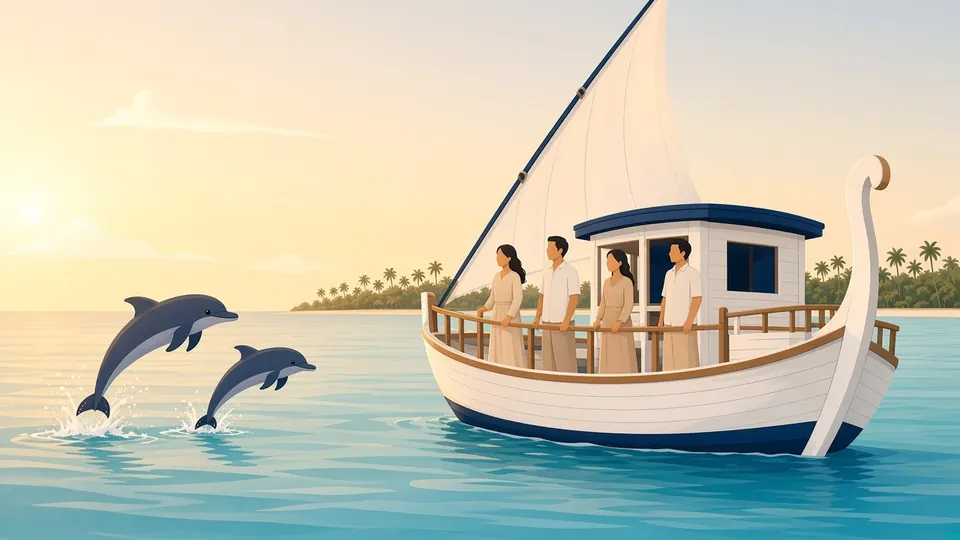
Several species of whales and dolphins live in Maldivian waters. Dolphins are usually seen from a boat, often leaping out of the water, and many resorts run sunset dolphin cruises to look for them.
Dolphins should be watched from the boat, without chasing them or trying to swim with them. Good crews slow down and let the dolphins decide how close to come.
Reef fish and other life
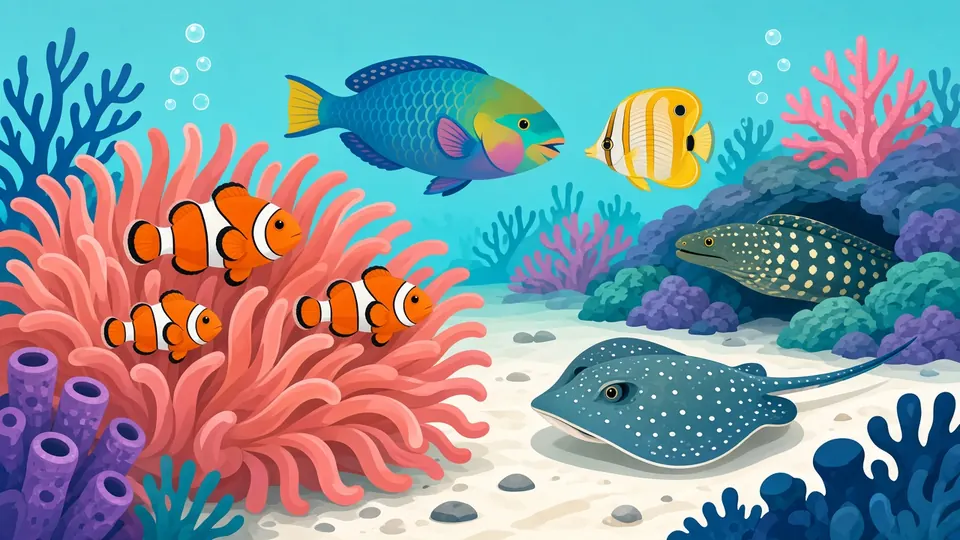
Even without the big animals, the reef is full of colour. You may see:
- Parrotfish crunching on coral, which helps create the white sand
- Butterflyfish and angelfish in bright yellows and blues
- Clownfish living in sea anemones
- Moray eels peering out from holes in the reef
- Octopus changing colour to match their surroundings
- Stingrays and eagle rays gliding over the sand
Look closely and you will also find tiny shrimps, crabs, sea stars and nudibranchs, colourful sea slugs that are a favourite of underwater photographers.
Watching marine life respectfully
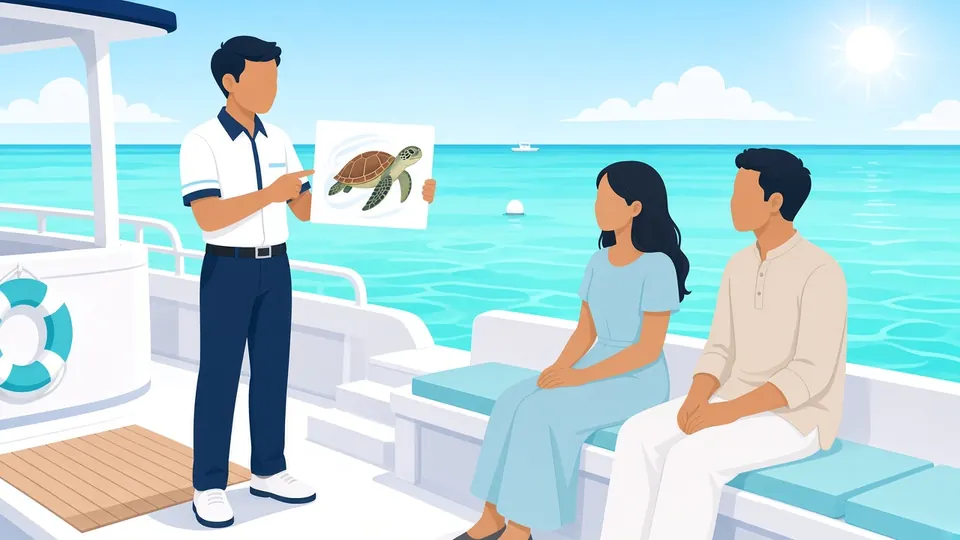
A few simple habits make every encounter better for the animals and for you:
- Look, don't touch. Touching can harm animals and the coral they live on.
- Keep your distance. Let animals come to you rather than approaching them.
- Never chase or block an animal's path, especially at the surface.
- Never feed fish, sharks or other animals.
- Avoid flash photography with mantas and whale sharks.
- Don't stand on coral, and keep your fins away from the reef.
- Use reef-safe sunscreen, and take all rubbish back with you.
The Maldives has laws protecting many species, including turtles, rays and whale sharks, and shark fishing is banned. Following your guide's briefing is the easiest way to stay within the rules.
How to see marine life on holiday
The easiest way to start is the house reef around your resort. Many resorts offer guided snorkelling, which helps you find the best spots and learn about what you see. Some resorts also have marine biologists who give talks or lead snorkel trips.
For mantas, whale sharks and dolphins, ask about excursions at the resort's water sports or dive centre. Remember that wildlife is wild, and sightings can never be guaranteed. Part of the magic is that every trip is different.
If marine life is a big part of your holiday, tell us when you enquire. We'll suggest hand-picked resorts with healthy reefs and trips that suit you. For more, see our guides to snorkelling in the Maldives and dive sites atoll by atoll.
Quick checklist
- Snorkel the house reef with a guide first
- Ask the resort about manta, whale shark and dolphin trips
- Bring reef-safe sunscreen
- Keep your distance and let animals come to you
- Never touch, chase, feed or block marine life
- Turn off the flash near mantas and whale sharks
- Listen carefully to every briefing
Frequently asked questions
Can I see turtles in the Maldives?
Yes. Green and hawksbill turtles are often seen on house reefs while snorkelling. Your resort guides can show you where they like to feed and rest.
Are the sharks in the Maldives dangerous?
The reef sharks usually seen by guests, such as blacktip and whitetip reef sharks, are wary of people. Watch them calmly from a distance and follow your guide's advice.
Can I swim with whale sharks?
Yes, whale sharks are often seen while snorkelling on organised excursions. The Maldives has rules for these encounters, including keeping a set distance and not touching the shark. Your guide will explain them.
Where can I see manta rays?
Manta rays visit cleaning stations and feeding areas in many parts of the Maldives. Ask your resort's dive or water sports centre about manta trips.
Will I definitely see dolphins?
Dolphins are often seen on boat trips such as sunset dolphin cruises, but sightings of wild animals can never be guaranteed.
Can I touch or feed the fish?
No. Touching or feeding marine life can harm the animals and the reef. Look, enjoy and take photos, but leave the animals undisturbed.