The Maldives is one of the most photographed places on earth, and many travellers dream of a drone shot of their island from above. Drones are allowed, but not freely. Flying one needs approval in several steps, and the rules are set by the authorities.
This guide explains how the process usually works and how to take photos with courtesy. It is a general overview, not legal advice. Rules can change, so always check the official sources before you travel.
Can you fly a drone in the Maldives?
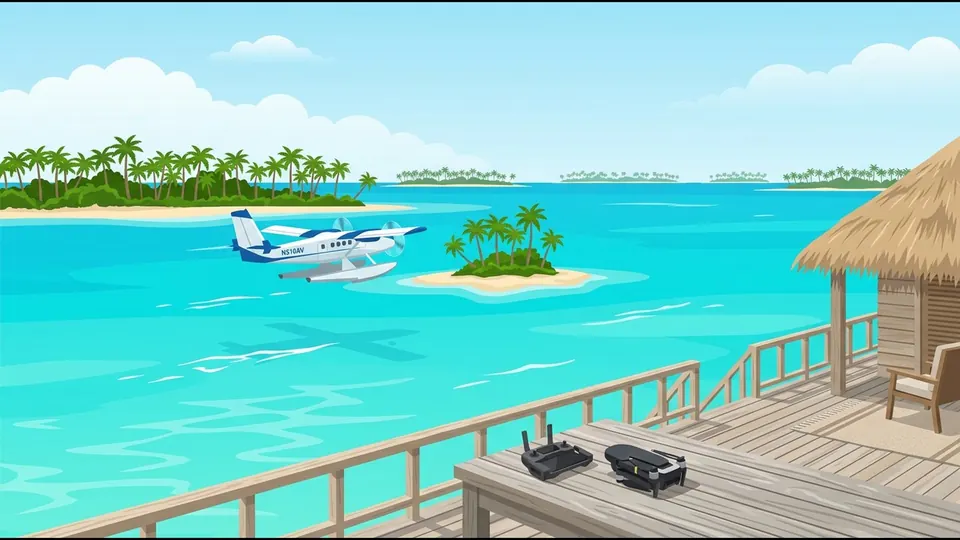
Yes, in many places, but only with permission. Drones are treated as aircraft in the Maldives, and much of the country sits close to airports, seaplane routes and security areas. Seaplanes fly low between the islands, so an unexpected drone is a real safety risk.
In short: don’t bring a drone and simply fly it. Plan the approvals before you go, or be ready to leave it in your bag.
Step 1: Ask your resort or island
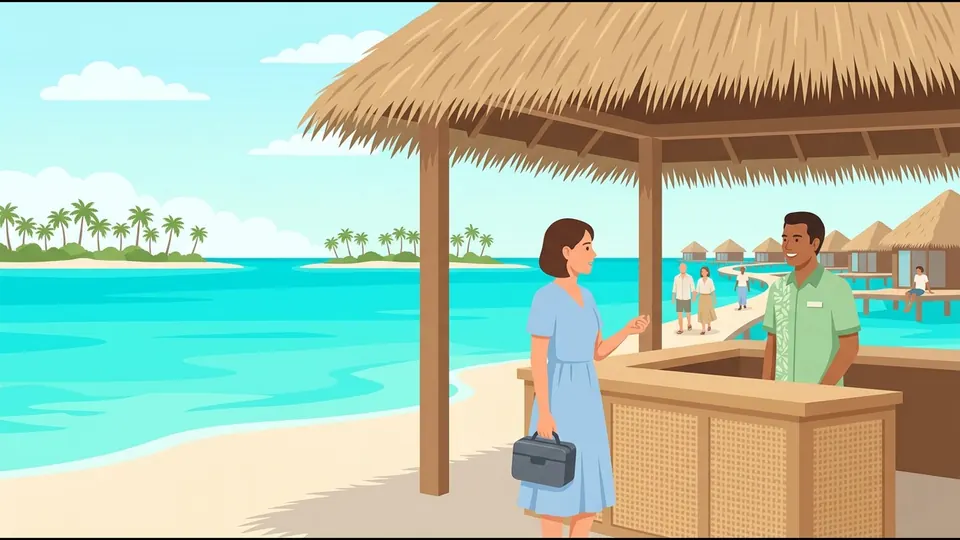
The first step is permission from the place you are staying.
- At a resort, ask the resort team. Many resorts have their own drone policy to protect guests’ privacy. Some allow drones only in certain areas or at certain times, and some don’t allow them at all.
- On a local island, permission usually comes from the island council.
It is worth asking before you book if flying a drone matters to you. Tell us when you enquire and we’ll check the resort’s policy.
Step 2: Approval from the MNDF

The Maldives National Defence Force, the MNDF, approves drone flights for security reasons. Applications are made through the government’s online services. The application usually asks for details about you, your drone and where and when you plan to fly.
Allow plenty of time before your trip, and keep a copy of any approval with you.
Step 3: Approval from the CAA
The Maldives Civil Aviation Authority, the CAA, sets the rules for flying drones safely. Its rules cover things such as how high you can fly, how far from airports, seaplane areas and people you must stay, and where drones are not allowed at all.
The CAA publishes its current drone rules and application details on its official website. Read them before you travel, as they are the only reliable source.
Places drones are not allowed
Even with approvals, some places are off limits or need special care. These usually include:
- airports, seaplane platforms and the areas around them
- government buildings and security areas
- crowded places and over people
- areas where your resort or island has said no
The official rules list the exact limits. If in doubt, don’t fly.
Photographing people and places
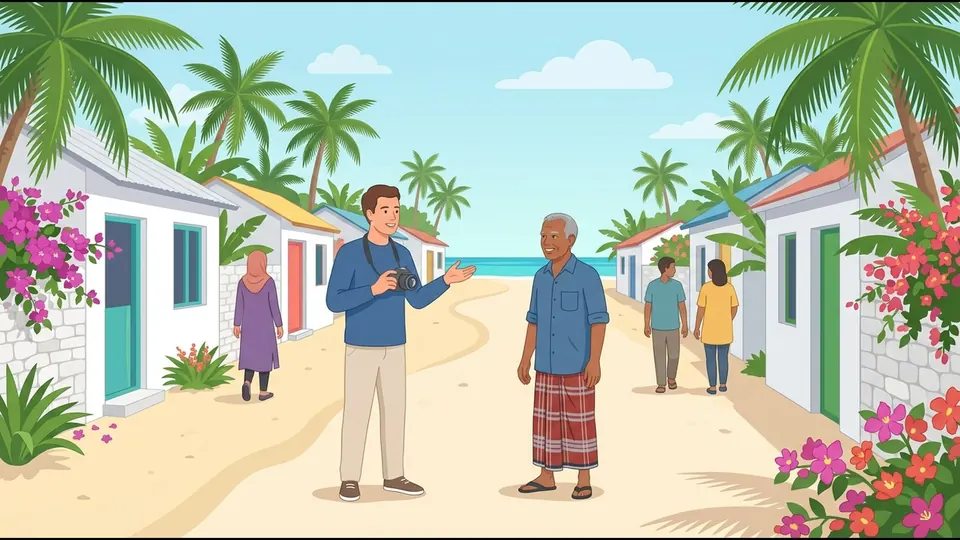
Most photography in the Maldives needs nothing more than good manners.
- Ask before photographing people, especially on local islands and in Malé. A smile and a gesture are usually enough.
- Be respectful at mosques. Ask before taking photos, and don’t photograph people at prayer.
- Respect other guests’ privacy. Avoid pointing cameras at other villas or guests on the beach.
- Ask resort staff before taking photos of them at work.
Our guide to Maldivian culture and traditions explains more about island life.
Underwater cameras and marine life
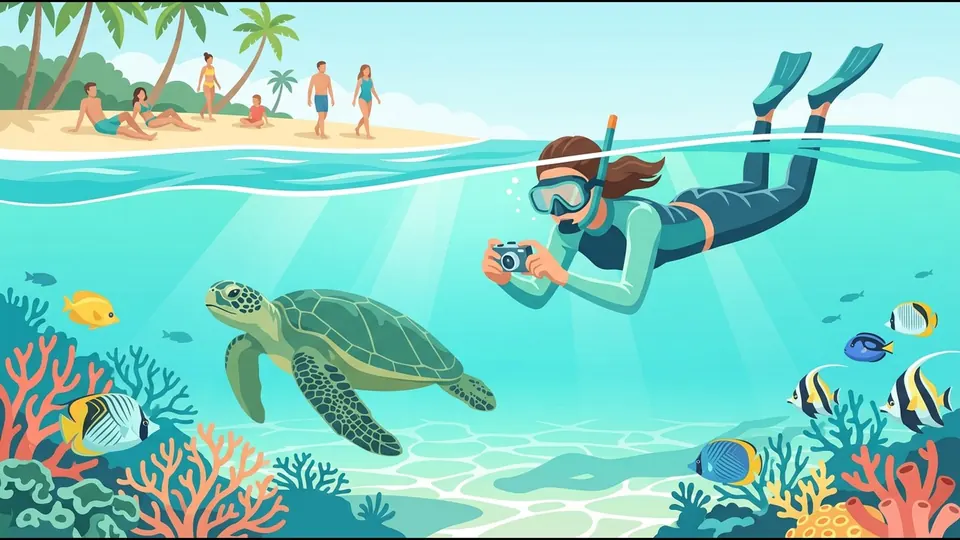
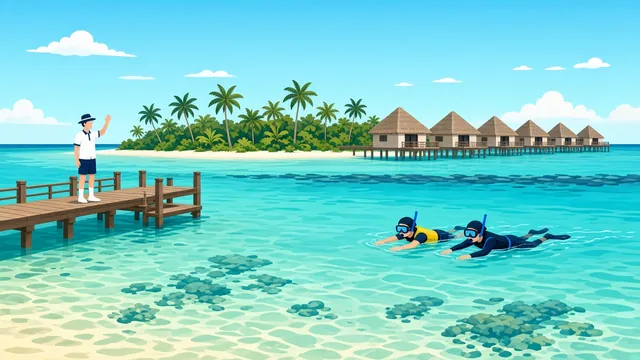
Underwater photos are one of the joys of the Maldives. A few habits protect both you and the reef.
- Keep your distance from turtles, rays and sharks, even for a better shot.
- Never touch or stand on coral to steady yourself.
- Avoid flash with turtles and other animals, and follow any rules set by your guide.
- Watch your surroundings, not just your screen, especially near the reef edge.
At some marine protected areas, such as Hanifaru Bay in Baa Atoll, extra rules apply. Our Baa Atoll guide explains them.
Planning tips
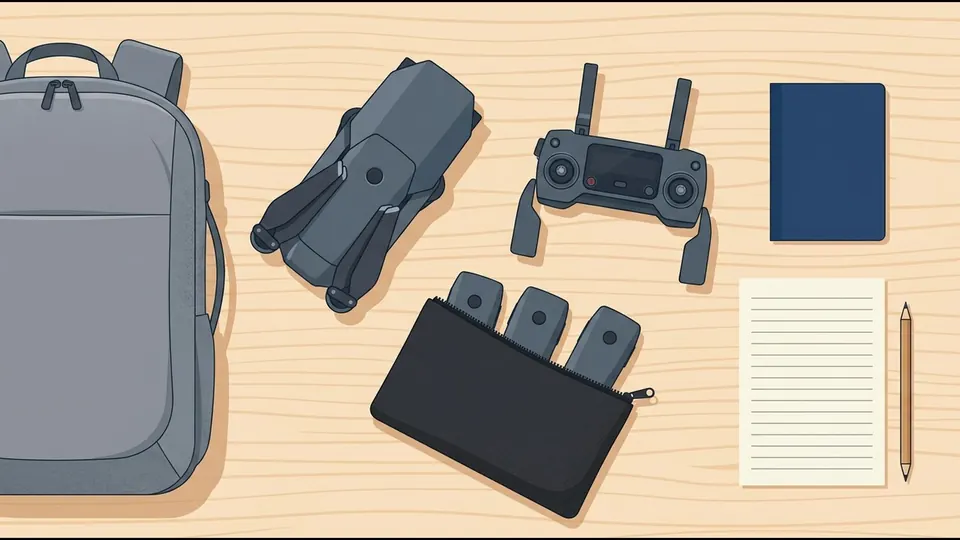
- Check the CAA and MNDF official pages well before you travel.
- Ask your resort about its drone policy before you book.
- Pack your drone in hand luggage and follow your airline’s battery rules.
- Keep approvals on your phone and on paper.
- If your plans are only for a few aerial photos, ask whether the resort offers a photography service.
Frequently asked questions
Can I bring a drone to the Maldives?
Yes, but flying it needs approvals from your resort or island, the MNDF and the CAA. Check the official rules before you travel.
Do resorts allow drones?
Some do, some only in set areas or times, and some don’t allow them at all. Ask the resort before you book.
Who approves drone flights in the Maldives?
Approval usually involves your resort or the island council, the Maldives National Defence Force (MNDF) and the Maldives Civil Aviation Authority (CAA).
Can I fly a drone near the airport or seaplanes?
No. Airports, seaplane platforms and the areas around them are off limits. The CAA rules give the exact limits.
Can I take photos of local people?
Yes, with permission. Ask first, especially on local islands and in Malé, and don’t photograph people at prayer.
Can I use flash underwater?
It is best to avoid flash around turtles and other animals. Follow your guide’s briefing.